In 2011, Andrew and Nicola Forrest made a significant gift of 800,000 Fortescue shares to the Foundation for the WA Museum, helping establish the Discovery Endowment Fund and creating an enduring source of support for the WA Museum.
The Minderoo Grants recognise the legacy of this founding contribution and the important role it played in strengthening the Foundation’s capacity to support the Museum. Through the Discovery Endowment Fund, the Foundation continues to invest in projects that advance research, collections, public programs and engagement across Western Australia.
Named in recognition of Andrew and Nicola Forrest’s generosity, the Minderoo Grants support low-cost, high-impact projects that enable WA Museum staff to respond to opportunities, explore new ideas and deliver meaningful social, cultural and scientific outcomes.
Minderoo Grants Through the Years
Since 2018, Minderoo Grants have helped turn bold ideas into discovery, innovation and impact across the WA Museum. From uncovering new knowledge and preserving remarkable collections to creating new ways for communities to connect with WA’s stories, these grants continue to open doors to projects with lasting cultural, scientific and social impact.
2026
2 projects supported
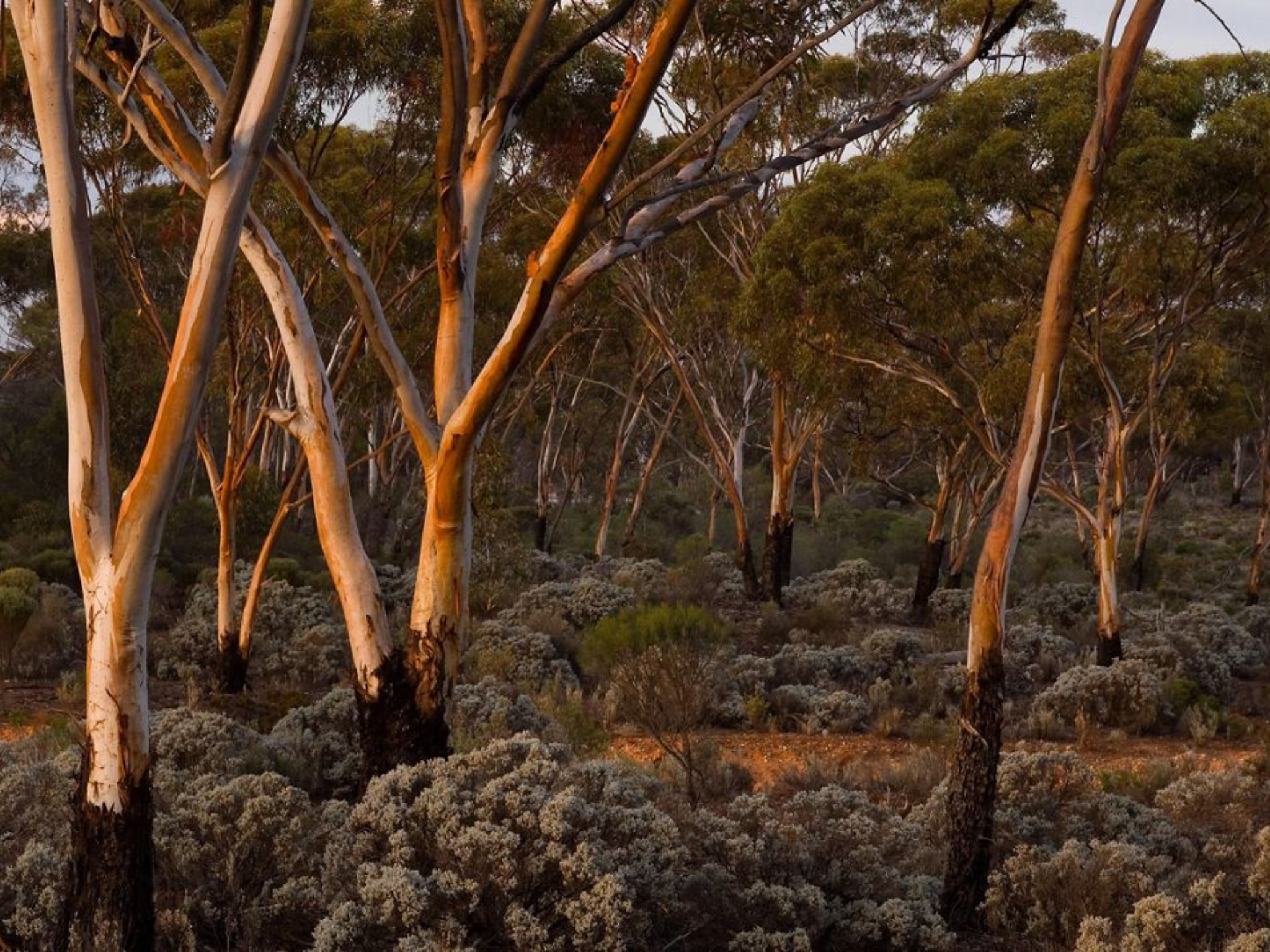
Species discovery in the Great Western Woodlands
This project returns the WA Museum to the Great Western Woodlands to uncover its extraordinary biological stories. Combining genetic science with field surveys, working alongside DBCA and Traditional Owners, the research will reveal unique species and evolutionary lineages, supporting future conservation of this important ancient ecosystem.
Impact Area: Research & Fieldwork
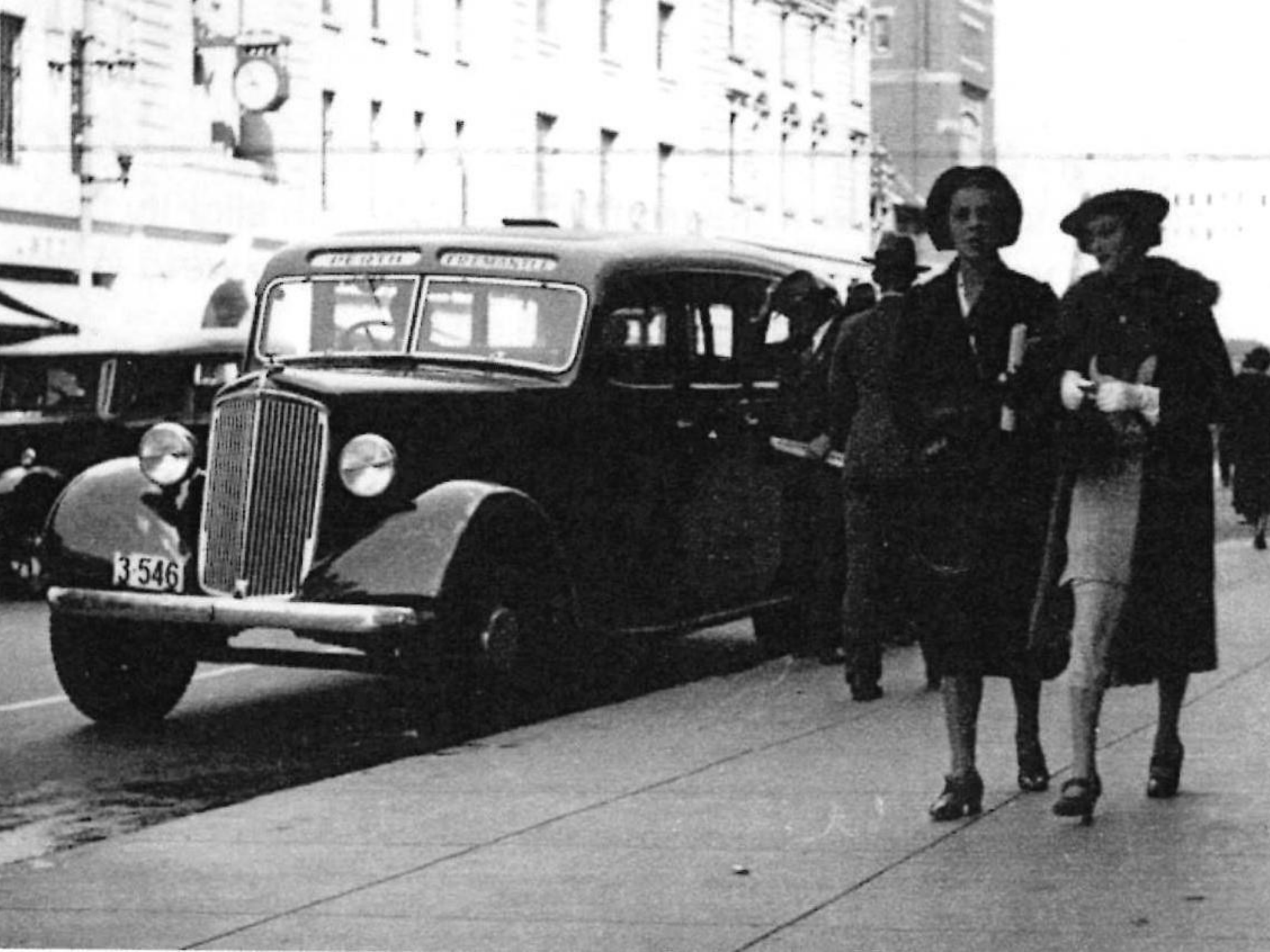
Alpine Parlour Car Restoration
This project marks a major milestone in restoring the last remaining Alpine Parlour Car, the only motor vehicle designed and built in Western Australia. Created in the 1930s by Perth innovator Glyn Nankivell, its distinctive burgundy, cream and gold livery will bring this unique vehicle to life.
Impact Area: Collections & Acquisitions
2025
6 projects supported
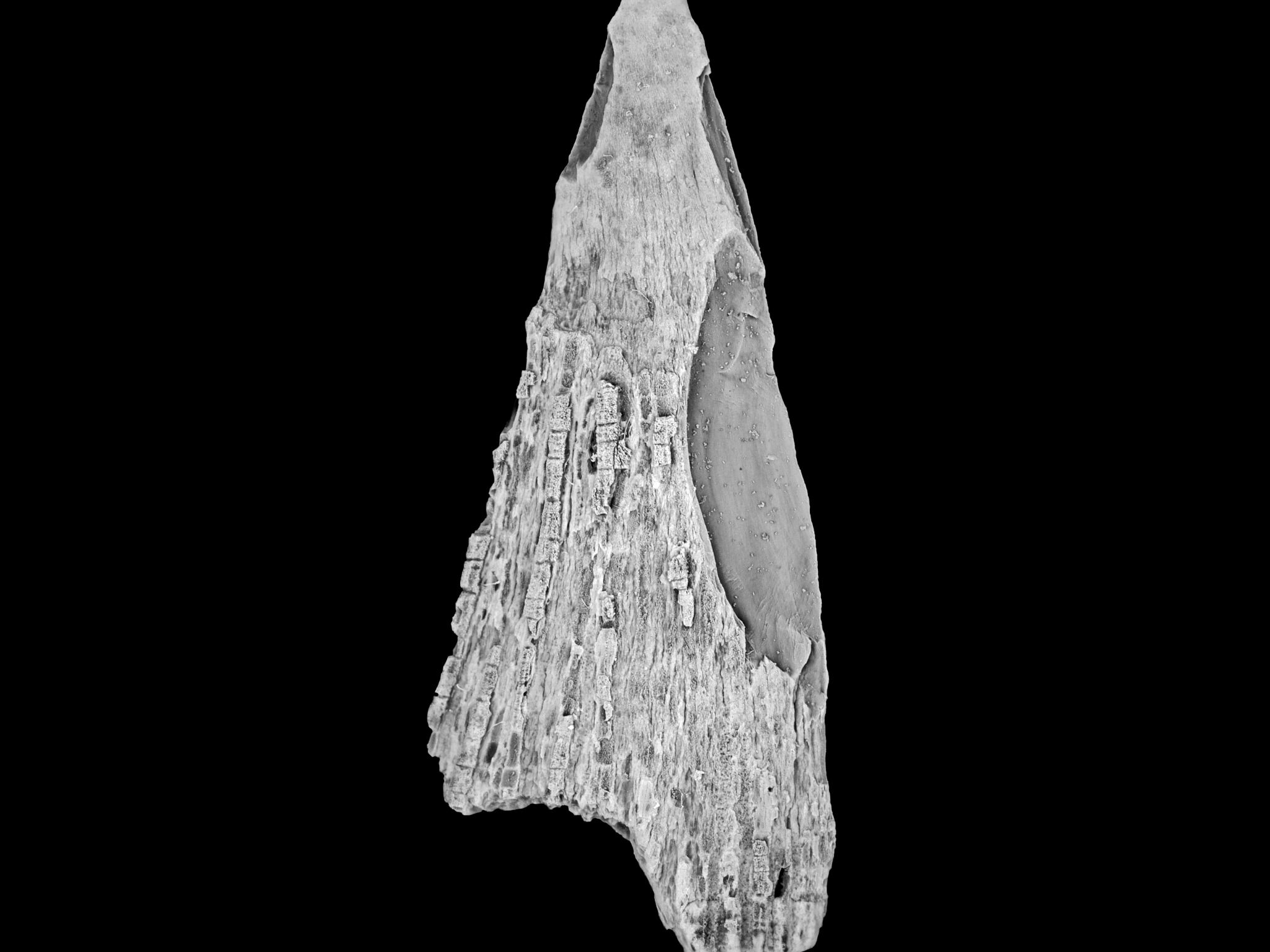
Cretacious marine vertabrates from the Giralia Range
This project reveals an extraordinary window into Western Australia’s ancient seas, uncovering a remarkably diverse marine ecosystem dating back over 100 million years. From giant apex Pliosaurus and long-necked plesiosaurs to sharks, turtles and fishes, these discoveries are reshaping our understanding of marine life in the age of dinosaurs.
Impact Area: Research & Fieldwork
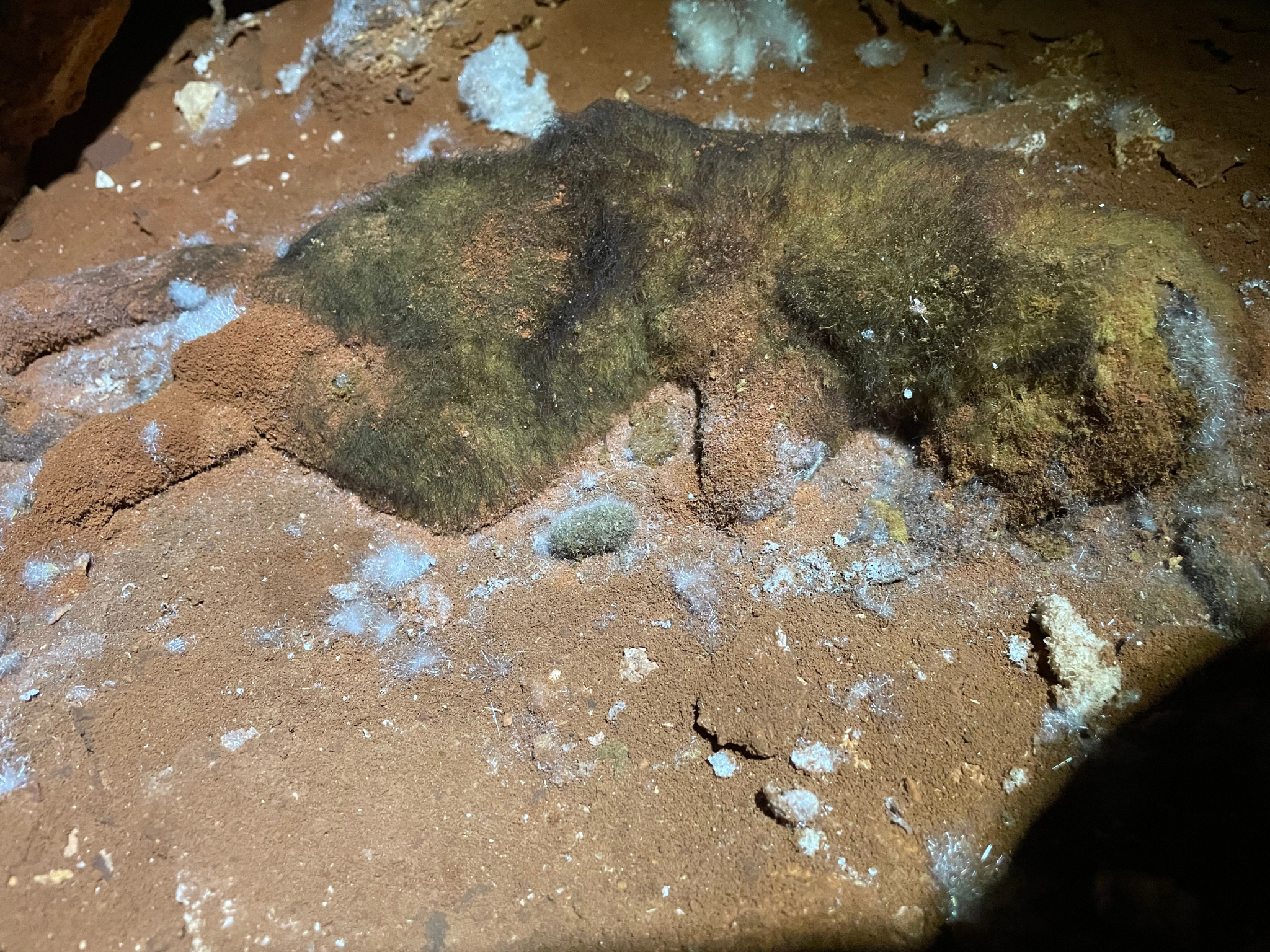
A unique discovery: The subterranean fauna of Goat Cave
This project explores a newly discovered Nullarbor Plain cave to uncover its remarkable record of biodiversity. Specimens collected from Goat Cave will help identify potential new species, particularly spiders, while preserved possum and quoll remains offer rare insights into their taxonomy and extinction history.
Impact Area: Research & Fieldwork
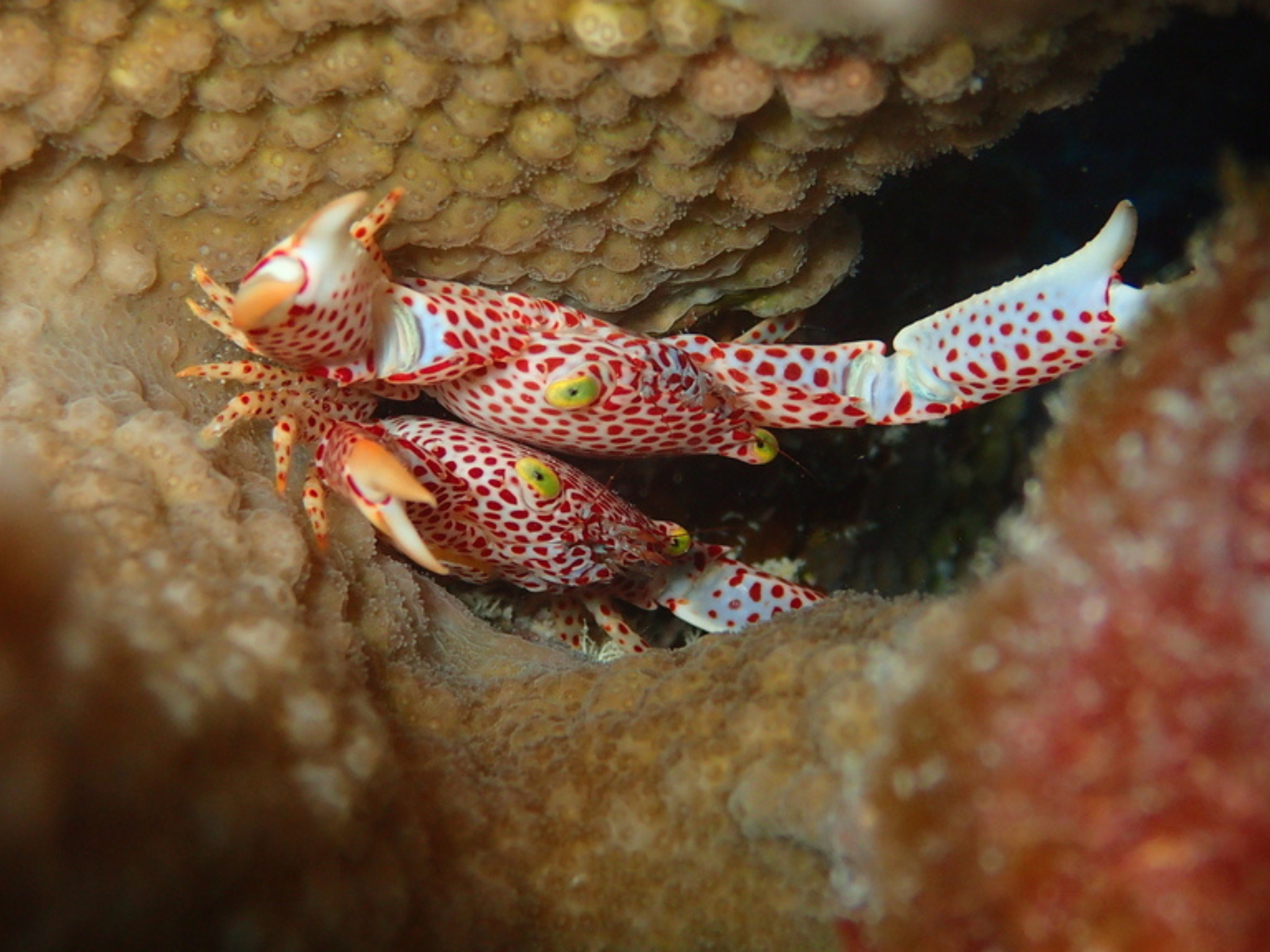
Fantastic Beasts and where to find them
This project builds on recent deep-water surveys of Christmas and Cocos (Keeling) Islands through targeted shallow-water exploration, seeking new crustacean and mollusc species. Specimens will strengthen WA Museum collections and genetic resources, while collaboration with DPIRD will support research, biosecurity and public engagement.
Impact Area: Research & Fieldwork
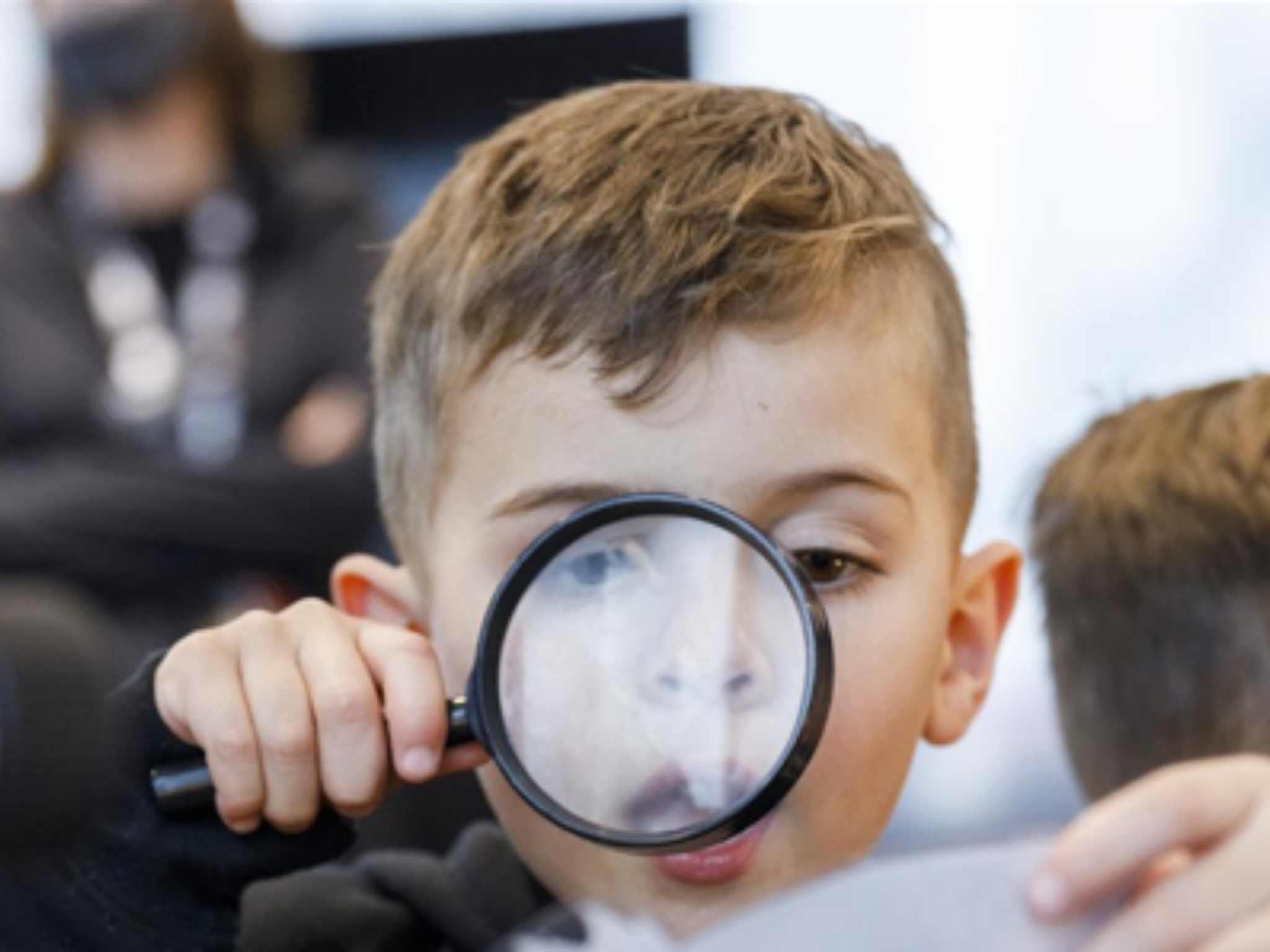
National Science Week
This project brings marine science to life at the WA Maritime Museum during National Science Week 2026. Through interactive exhibits, performances, workshops and seminars, visitors will discover Western Australia’s unique marine biodiversity, explore the work of WA Museum scientists and be inspired to become stewards of our oceans.
Impact Area: Lifelong Learning
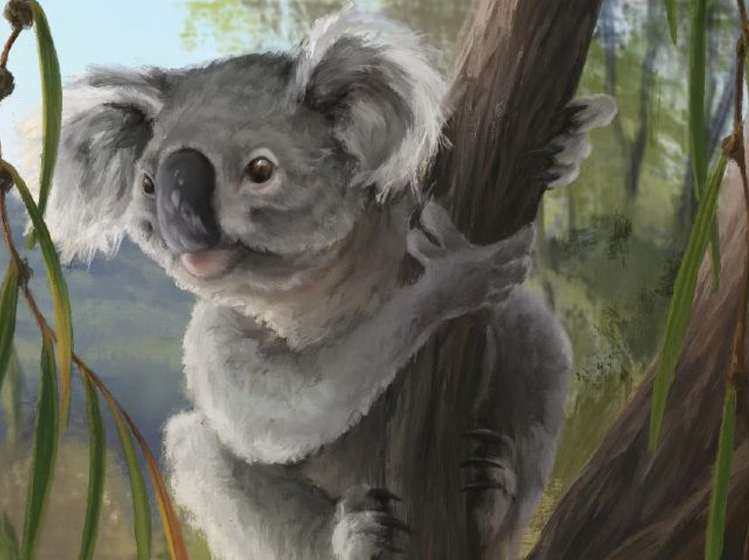
Radiometric dating of a new species of Koala from WA
The WA Museum re-examined rare koala fossils from Western Australia and uncovered the story of a lost species that once lived far from today's eastern populations. New research identifies these remains as the first district Western Australian koala, (Phascolarctos sulcomaxilliaris), reshaping our understanding of Australia's ancient fauna.
Read the Smithsonian article.
Impact Area: Research & Fieldwork
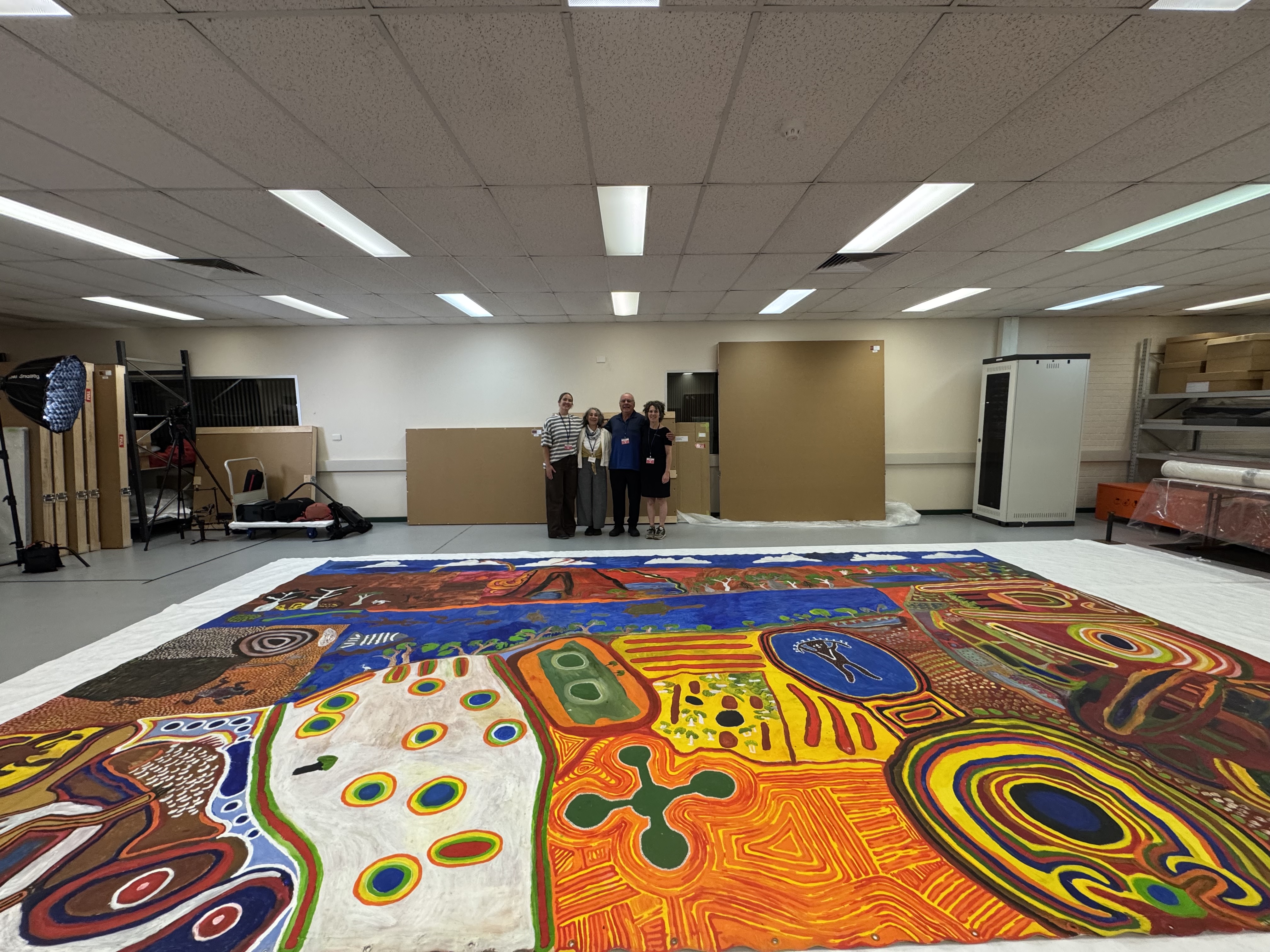
The Martuwarra and Jila canvas project
This project deepens understanding of the significant Martuwarra canvas, created by Bunaba and Gooniyandi artists. By recording stories of people, Country and culture, it will support future Museum and digital experiences while creating a community-managed archive that preserves knowledge and strengthens connections for generations.
Impact Area: Research & Fieldwork
2024
4 projects supported
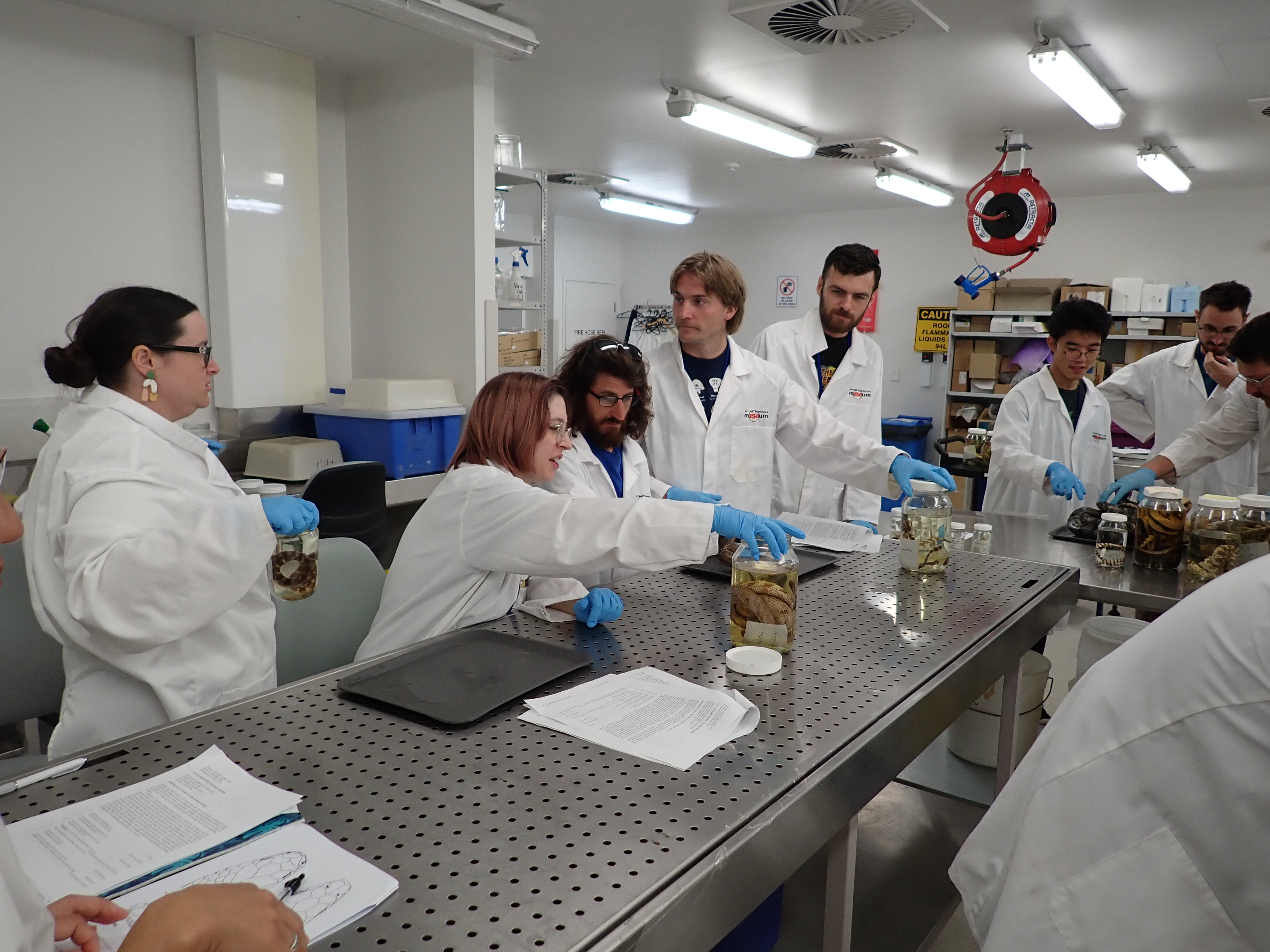
WAM Foundation Fellowship for Collection-based Research
This fellowship program brings leading national and international researchers to Western Australia for high-impact collaboration with WA Museum curators. Working directly with the State Collection, Fellows unlock new research insights, advance collection registration and share expertise, strengthening global connections and amplifying the Collection’s value and visibility.
Impact Area: Lifelong Learning
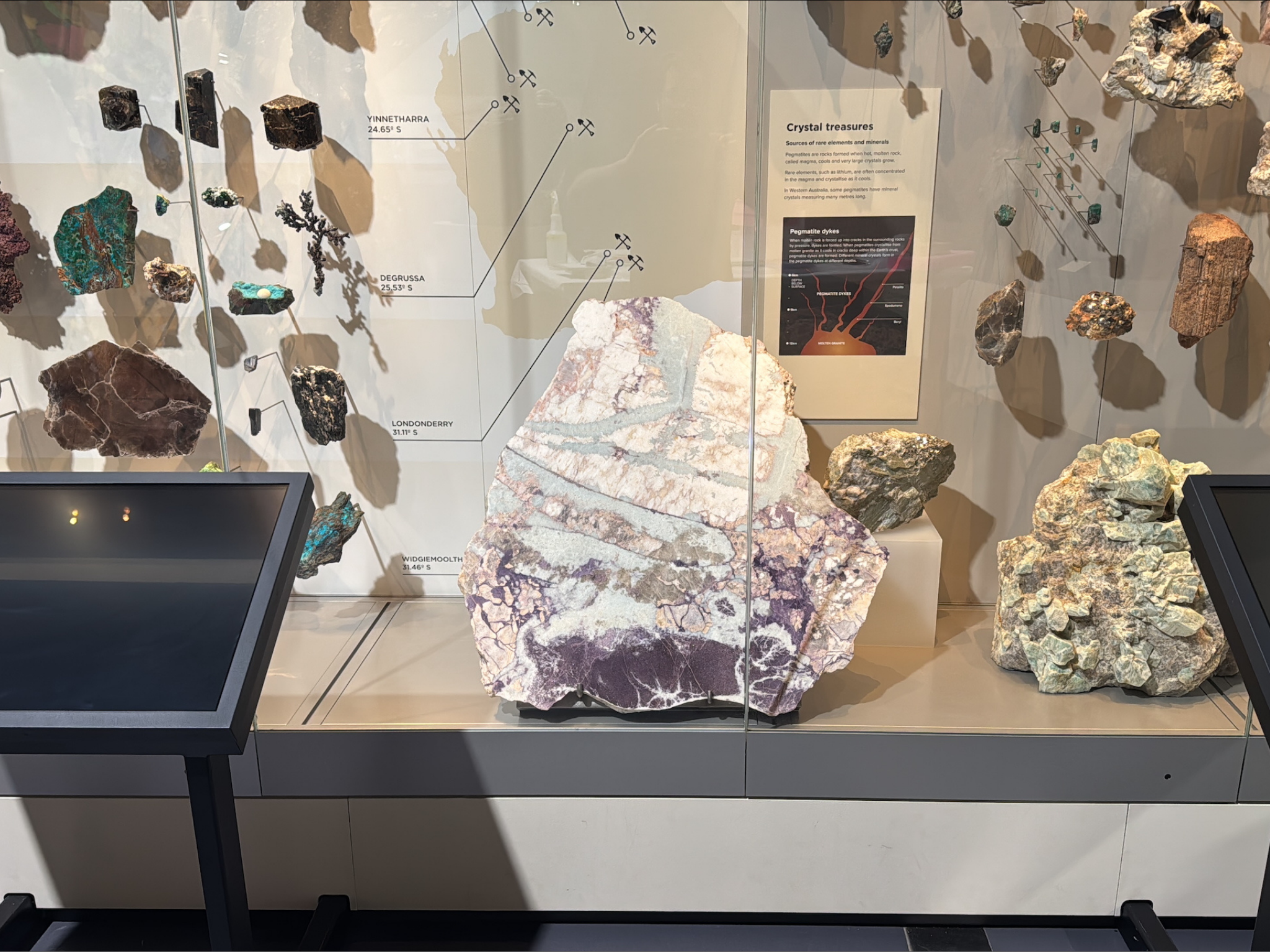
Purchase and display of Pegmatite sepcimens from the Sinclair mine
This project will add striking lithium- and cesium-bearing pegmatite specimens from the historic Sinclair mine to the WA Museum collection. As Western Australia’s first cesium mine, Sinclair represents a significant chapter in mineral discovery and innovation, with display-ready specimens bringing the State’s geological heritage to life.
Impact Area: Collections & Acquisitions
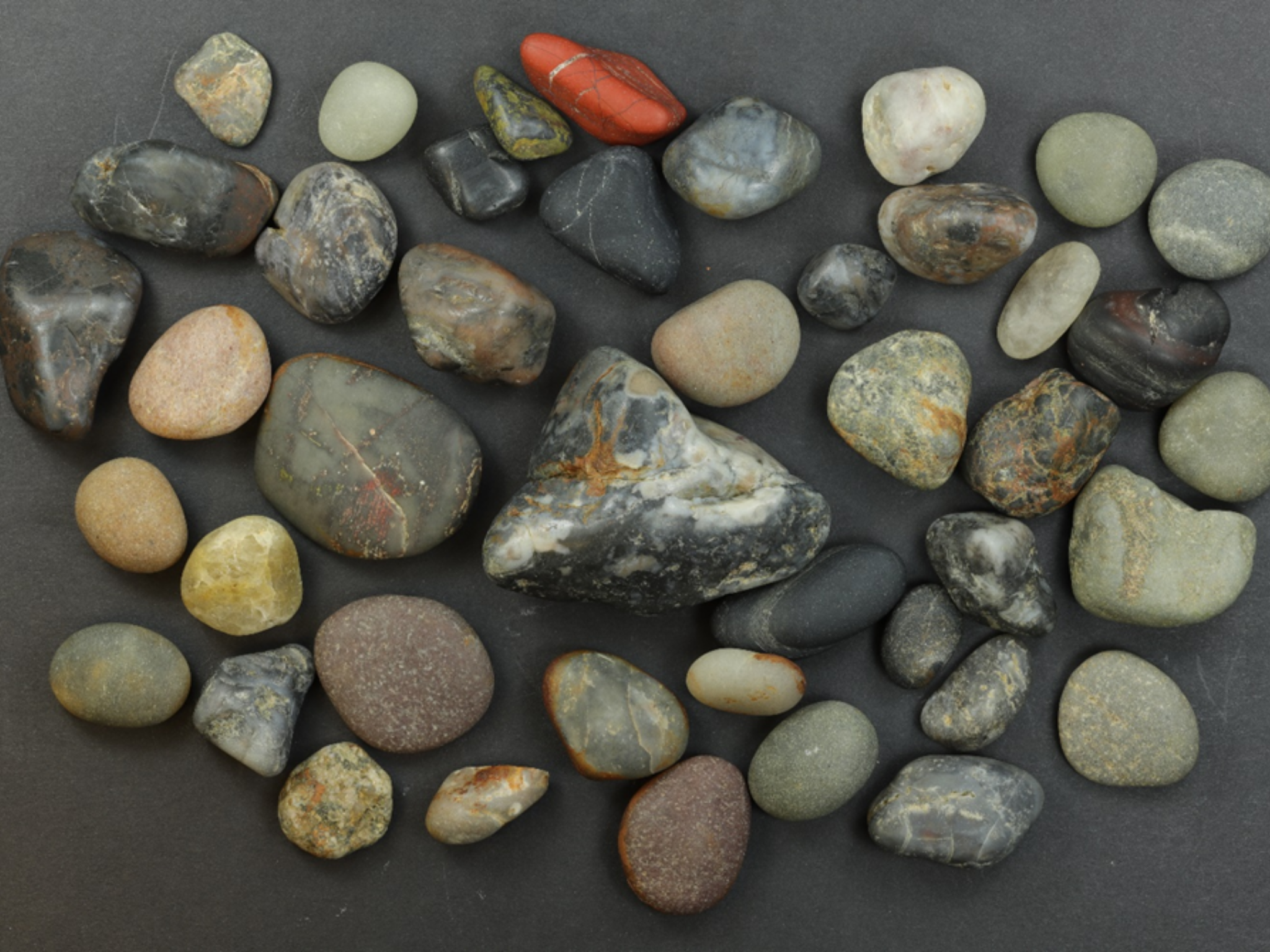
Cretaceaous marine vertabrates from the Giralia Range
This project uncovered a remarkable 110-million-year-old marine ecosystem at Western Australia’s Giralia Anticline. Fossils of sharks, chimaeroids, ichthyosaurs and plesiosaurs, including potential new species, are deepening our understanding of prehistoric marine life and highlighting this internationally significant site. Findings will inspire research, exhibitions and education.
Impact Area: Research & Fieldwork
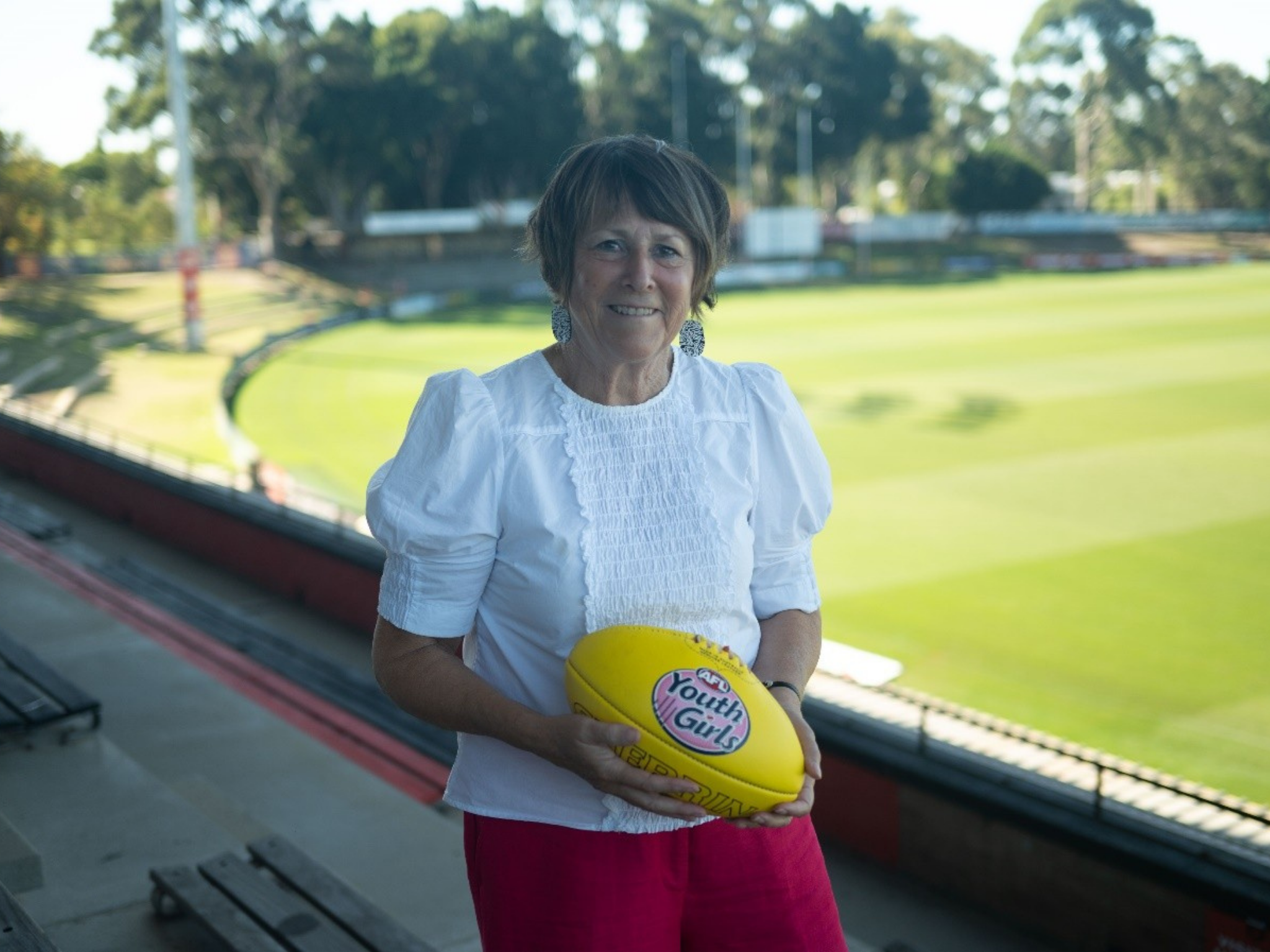
Towards a world-leading women's sport collection: A pilot project
This project is building a richer record of Western Australia’s sporting history by capturing the stories, voices and objects of women who shaped the game. Through filmed interviews, community partnerships and targeted collecting, it celebrates women’s achievements in football, cricket and basketball while preserving their experiences for future generations.
Impact Area: Collections & Acquisitions
2023
4 projects supported
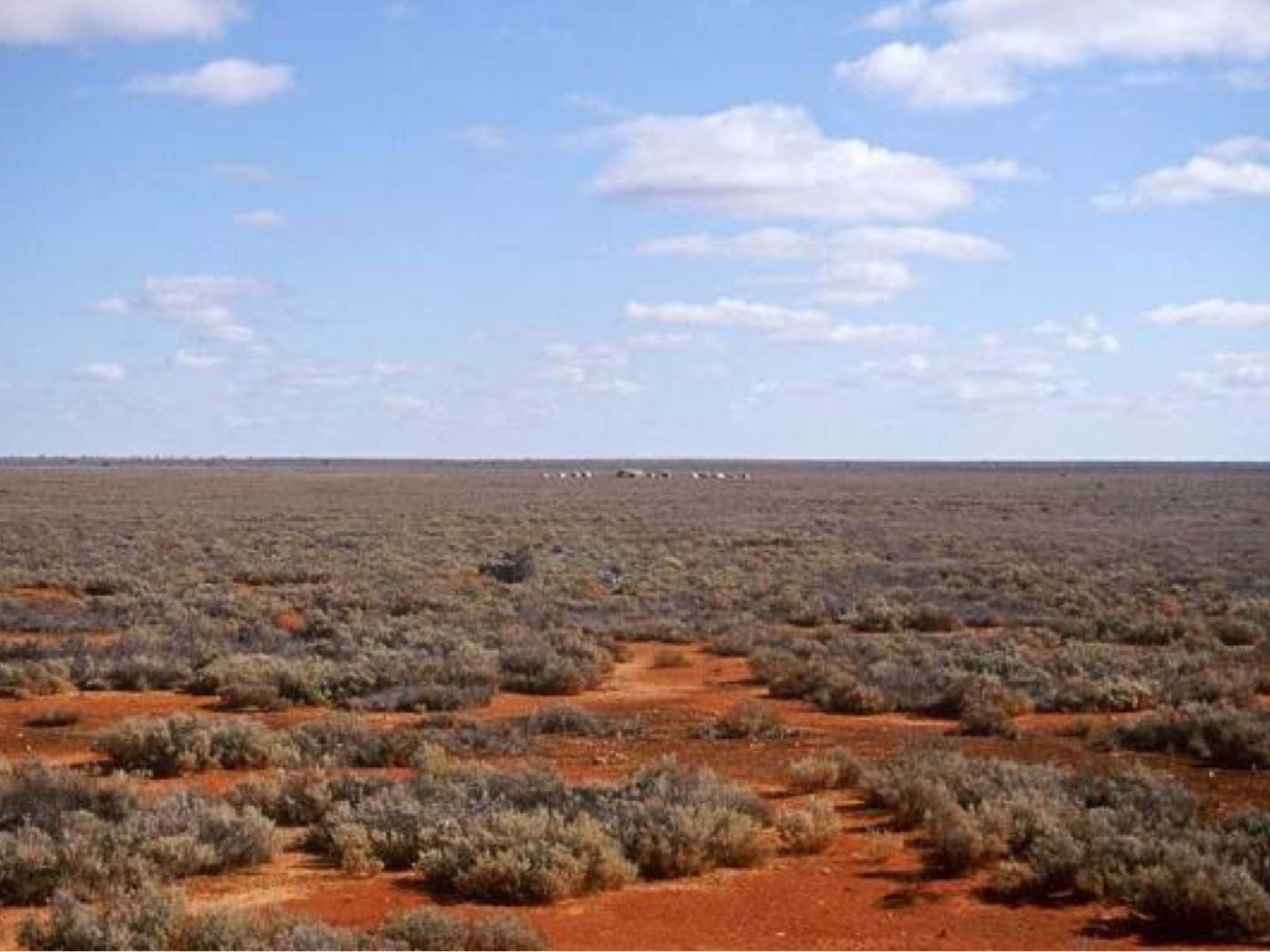
Nullabor Plain Arachniid and Fossil Collection
This project explores the Nullarbor Plain’s ancient fossil record and contemporary biodiversity, revealing new insights into the region’s evolution and ecosystems. Discoveries include a previously unknown land snail species and poorly documented arachnid fauna, expanding the State Collection and creating new opportunities for research, education and engagement.
Impact Area: Research & Fieldwork
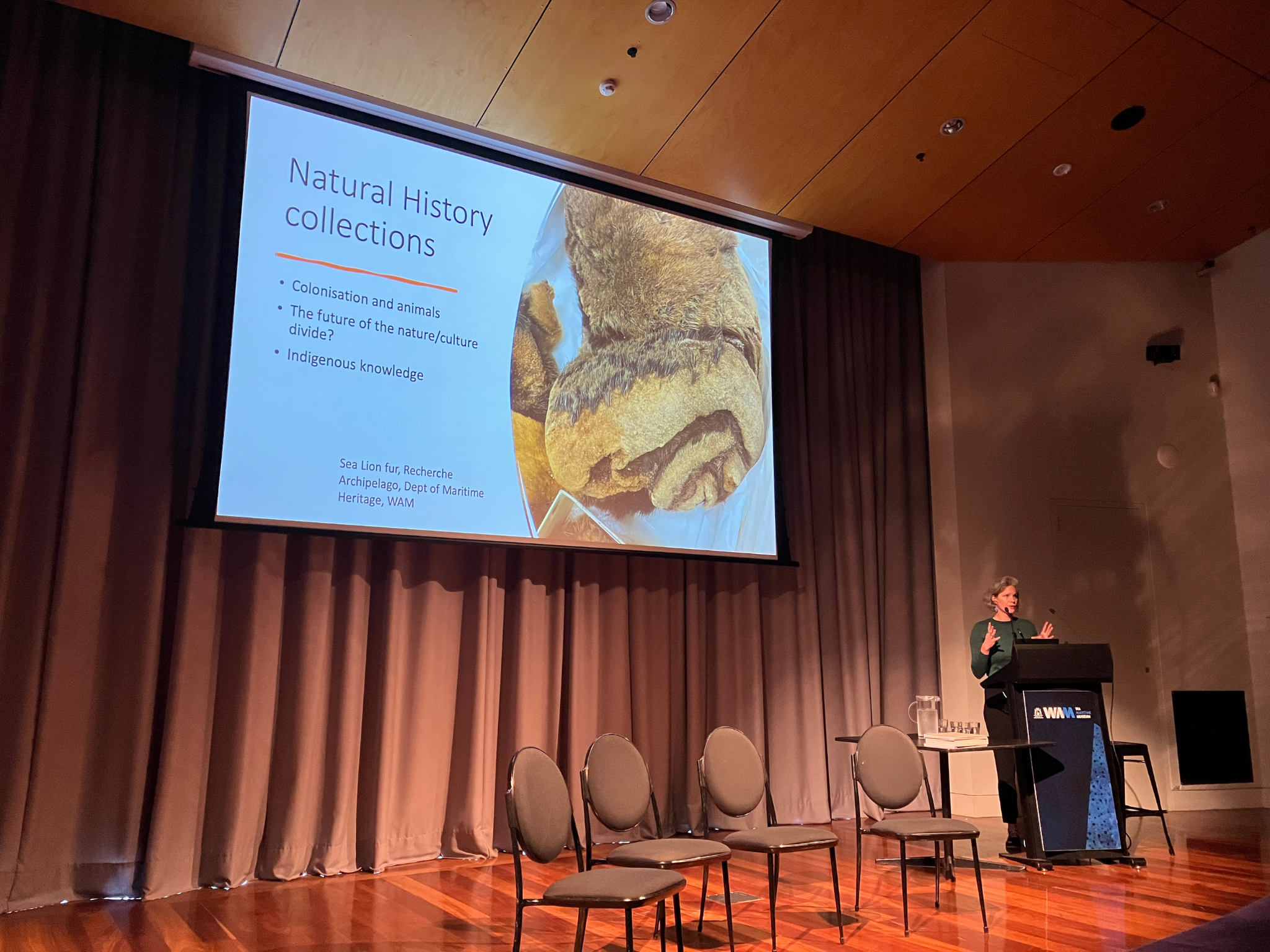
WAM Foundation Fellowship for Collection-based Research
This fellowship program brings leading national and international researchers to Western Australia for high-impact collaboration with WA Museum curators. Working directly with the State Collection, Fellows unlock new research insights, advance collection registration and share expertise, strengthening global connections and amplifying the Collection’s value and visibility.
Impact Area: Lifelong Learning
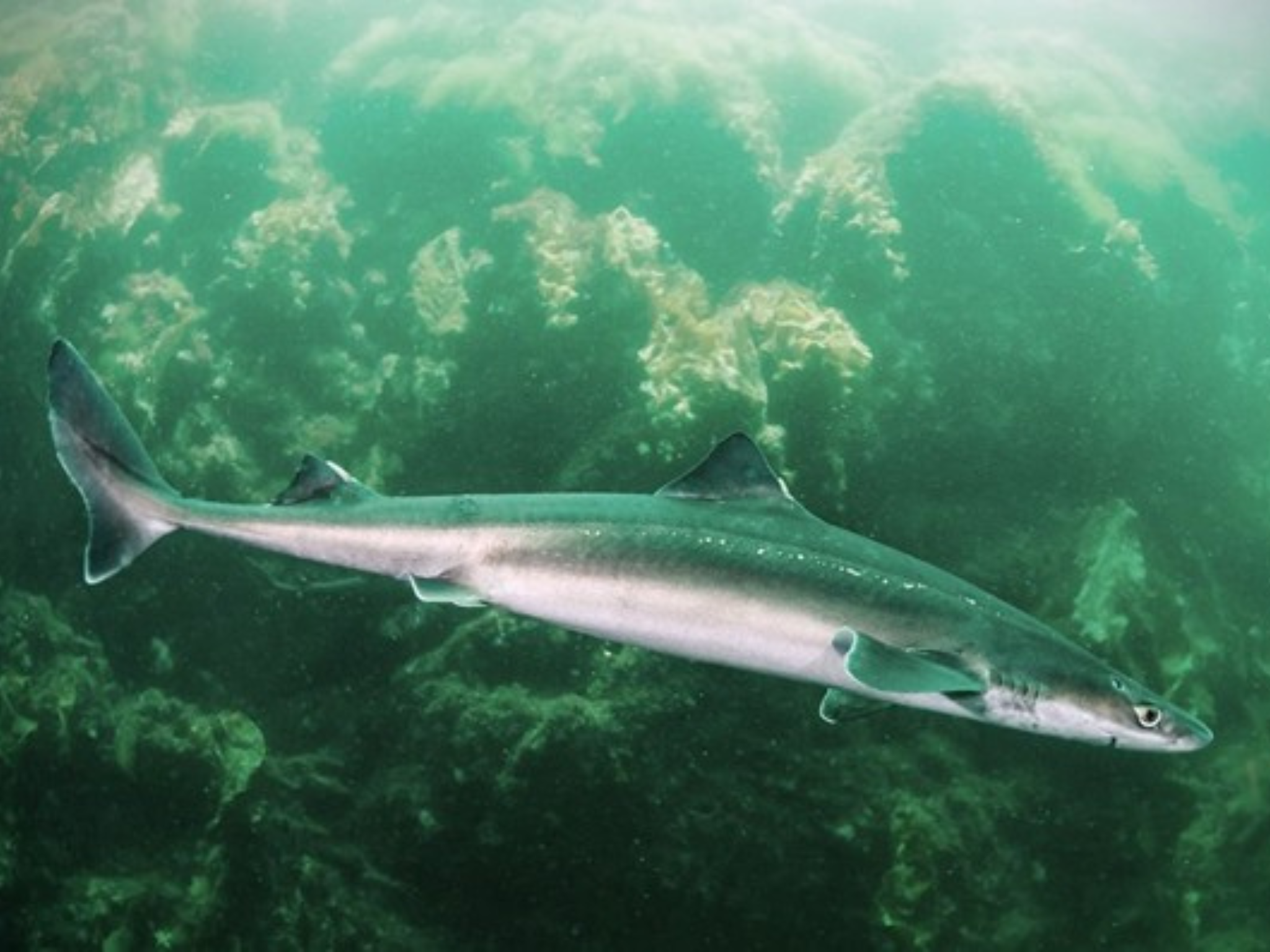
Cretaceaous marine vertabrates from the Giralia Range
Awarded funding for four consecutive years, this successful project is uncovering an extraordinary marine ecosystem dating back over 100 million years. Discoveries of plesiosaurs, sharks, turtles, fishes and species new to science are reshaping our understanding of Western Australia’s ancient seas and significant fossil heritage.
Impact Area: Research & Fieldwork
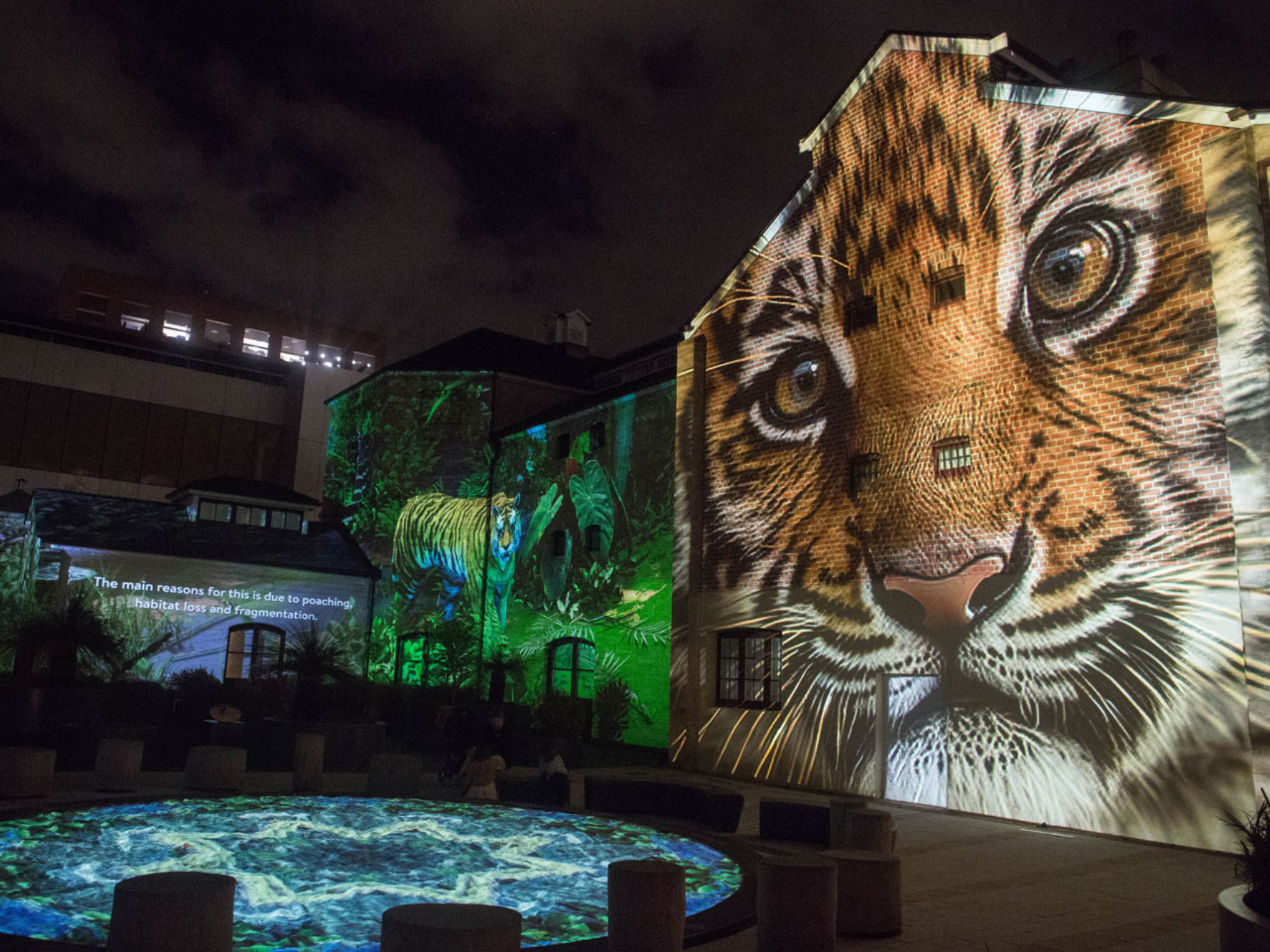
Illuminate: Wild about Babies
This project transformed the WA Museum precinct into an immersive learning experience, using large-scale projection mapping to bring endangered animal babies to life. Inspired by the Wild About Babies exhibition, the installation combined technology, art and conservation messaging to engage new audiences and inspire greater care for our natural world.
Impact Area: Exhibitions & Storytelling
2022
4 projects supported
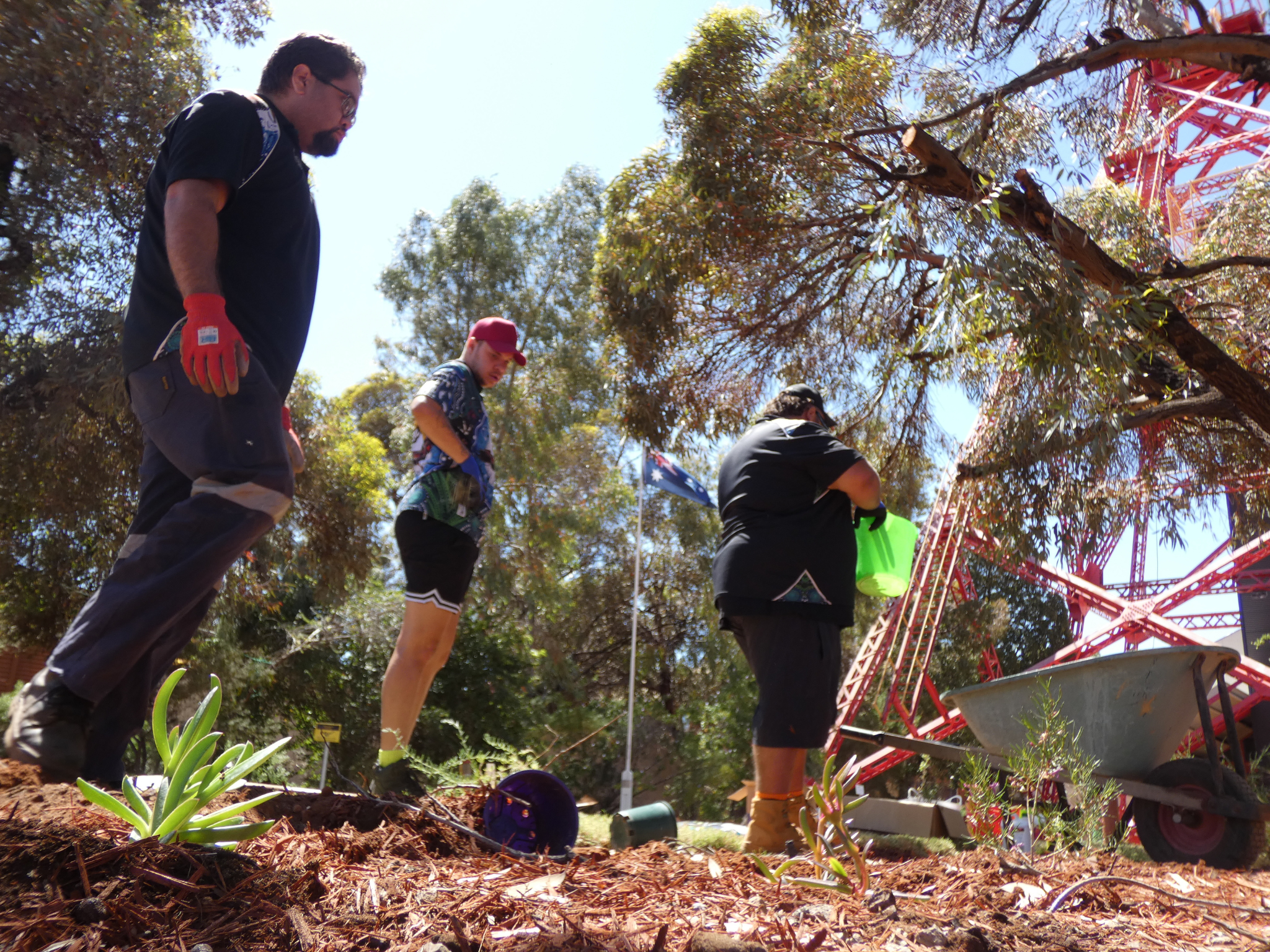
Aboriginal Bush Food and Medicine
This project celebrates Aboriginal knowledge of native plants, food and medicine through a new Bush Food and Medicine Garden at the Museum of the Goldfields. Developed with Elders and community partners, the garden creates an accessible space for cultural learning, connection to Country and cross-cultural understanding.
Impact Area: State-Wide Activities
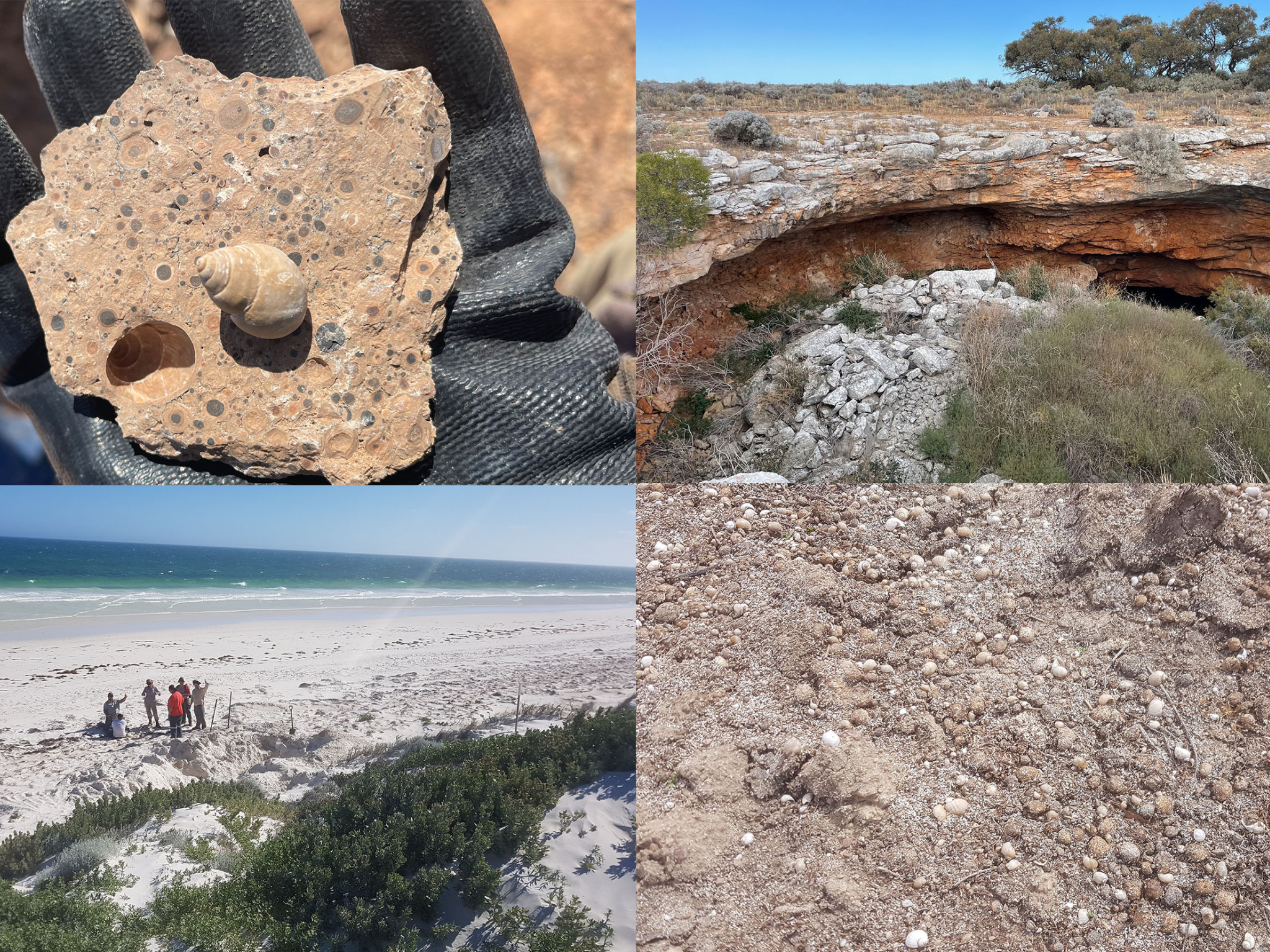
Nullarbor Plain Fossil Collection
This project uncovered fossil mammals and land snails from sites across the Nullarbor Plain, significantly strengthening the WA Museum’s scientific collections. The discoveries provide new opportunities to research extinct species and past environments, deepening understanding of the region’s ecological history and supporting future research, exhibitions and public engagement.
Impact Area: Research & Fieldwork
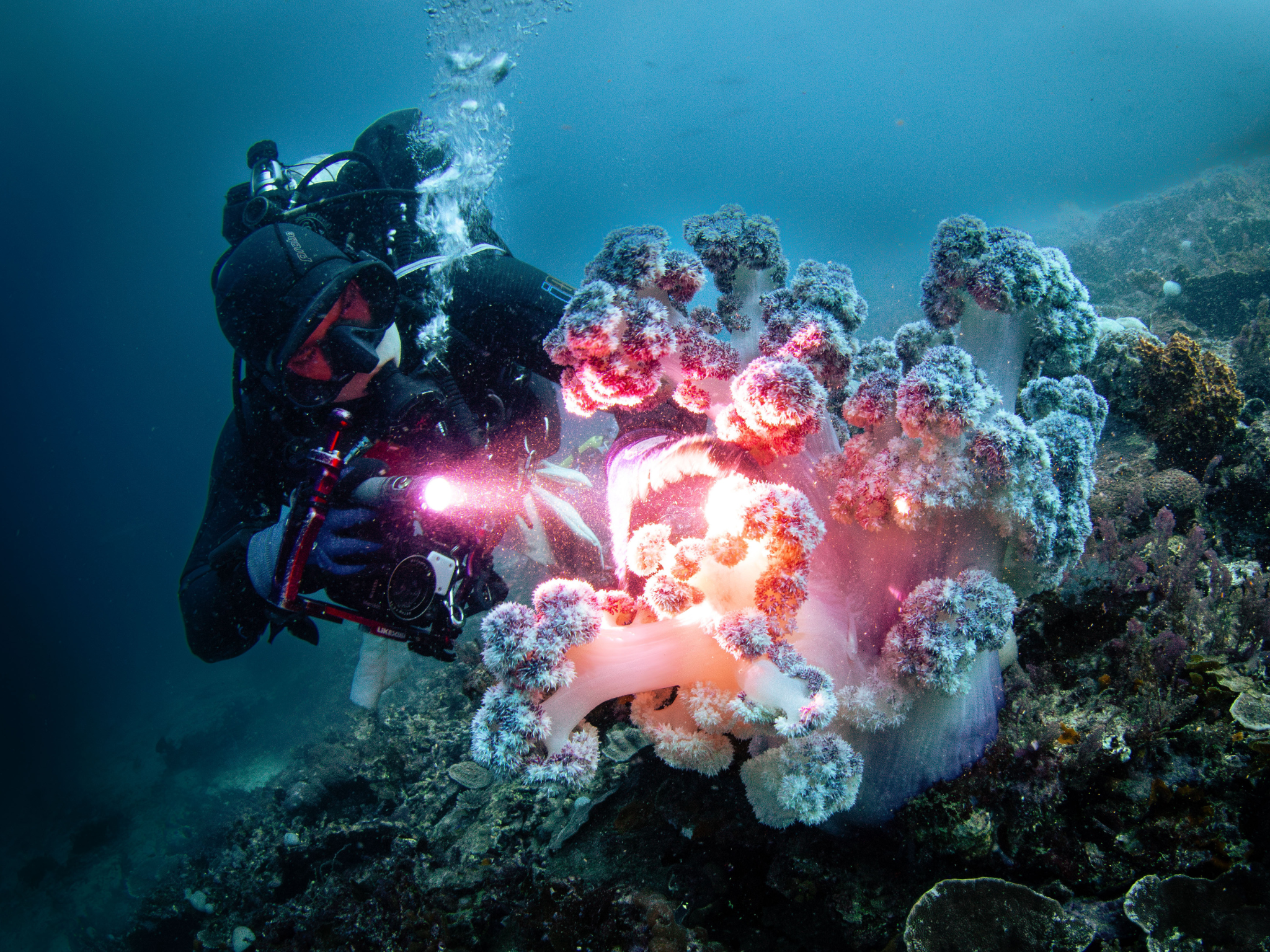
Sea Abrolhos - Marine life of the Houtman Abrolhos Archipelago
This project brings discoveries from the Houtman Abrolhos Islands to life through exhibitions, digital storytelling and community engagement. Building on major biodiversity research, it strengthens the WA Museum’s collections and scientific knowledge while connecting audiences with the unique marine life and natural heritage of the Abrolhos.
Impact Area: Research & Fieldwork
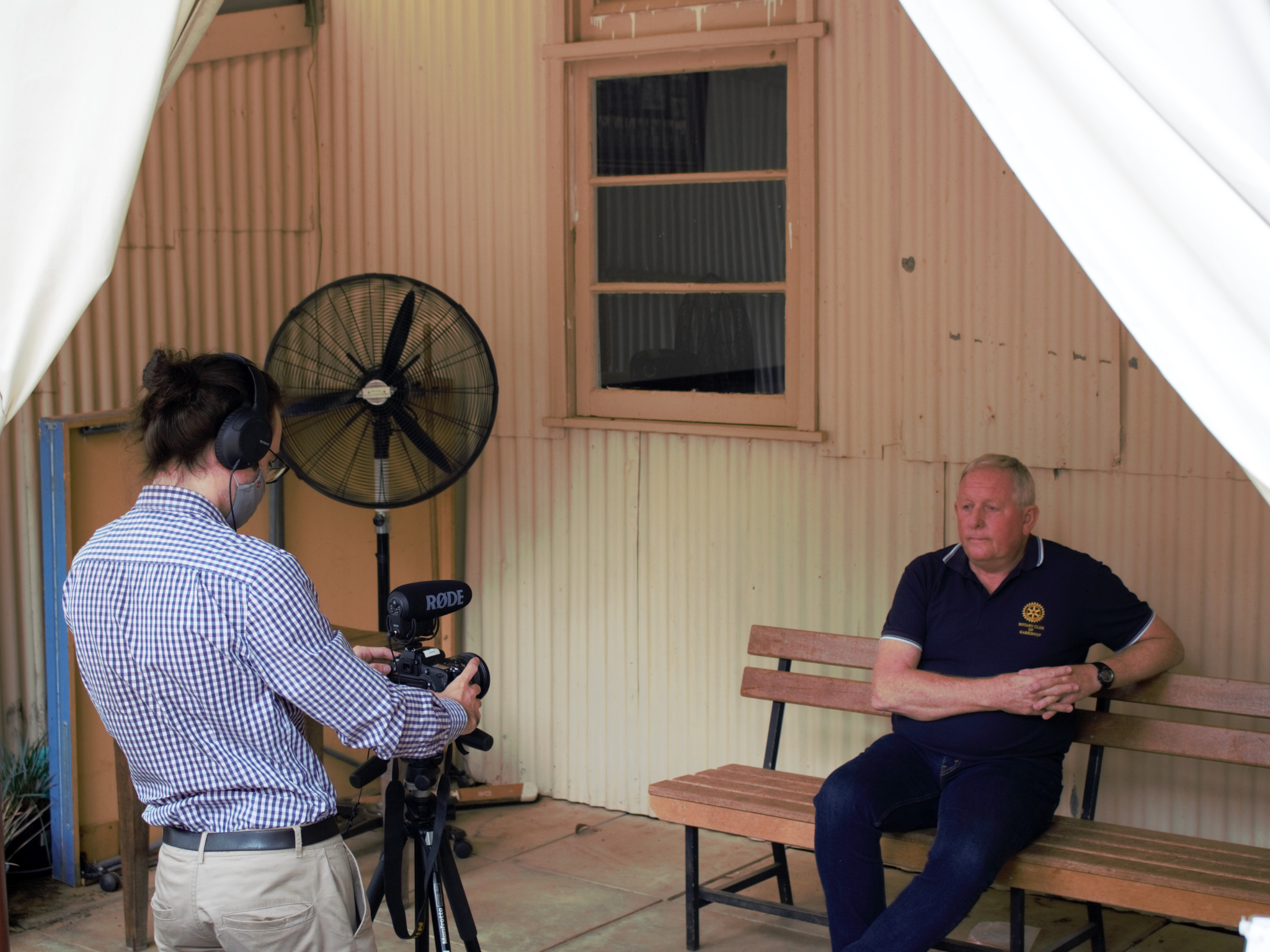
Nothing but memories
This project preserves the stories of communities affected by the Wooroloo bushfires, capturing their experiences of living through, fighting, surviving and recovering from disaster. Working with residents across Wooroloo, Gidgegannup and surrounding areas, the project creates an enduring record of bushfire’s impact on Western Australia’s communities and landscape.
Impact Area: Collections & Acquisitions
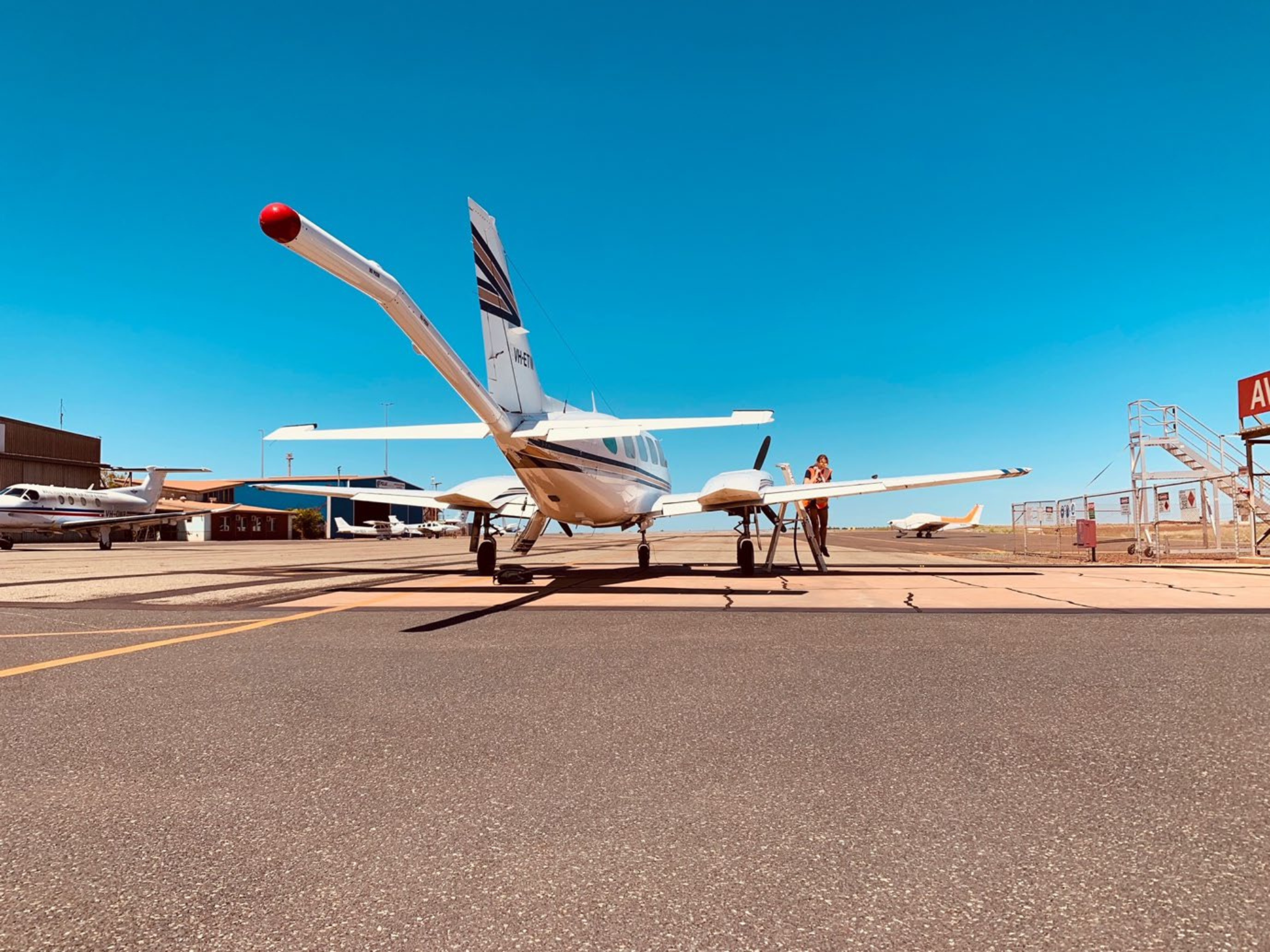
Searching for missing shipwrecks
This project seeks to resolve two enduring maritime mysteries: investigating the contested wreck site of the Trial and searching for the lost SS Koombana, which disappeared with all hands in 1912. Aerial magnetometer surveys will identify potential wreck targets for detailed underwater investigation.
Impact Area: Research & Fieldwork
2020
3 projects supported
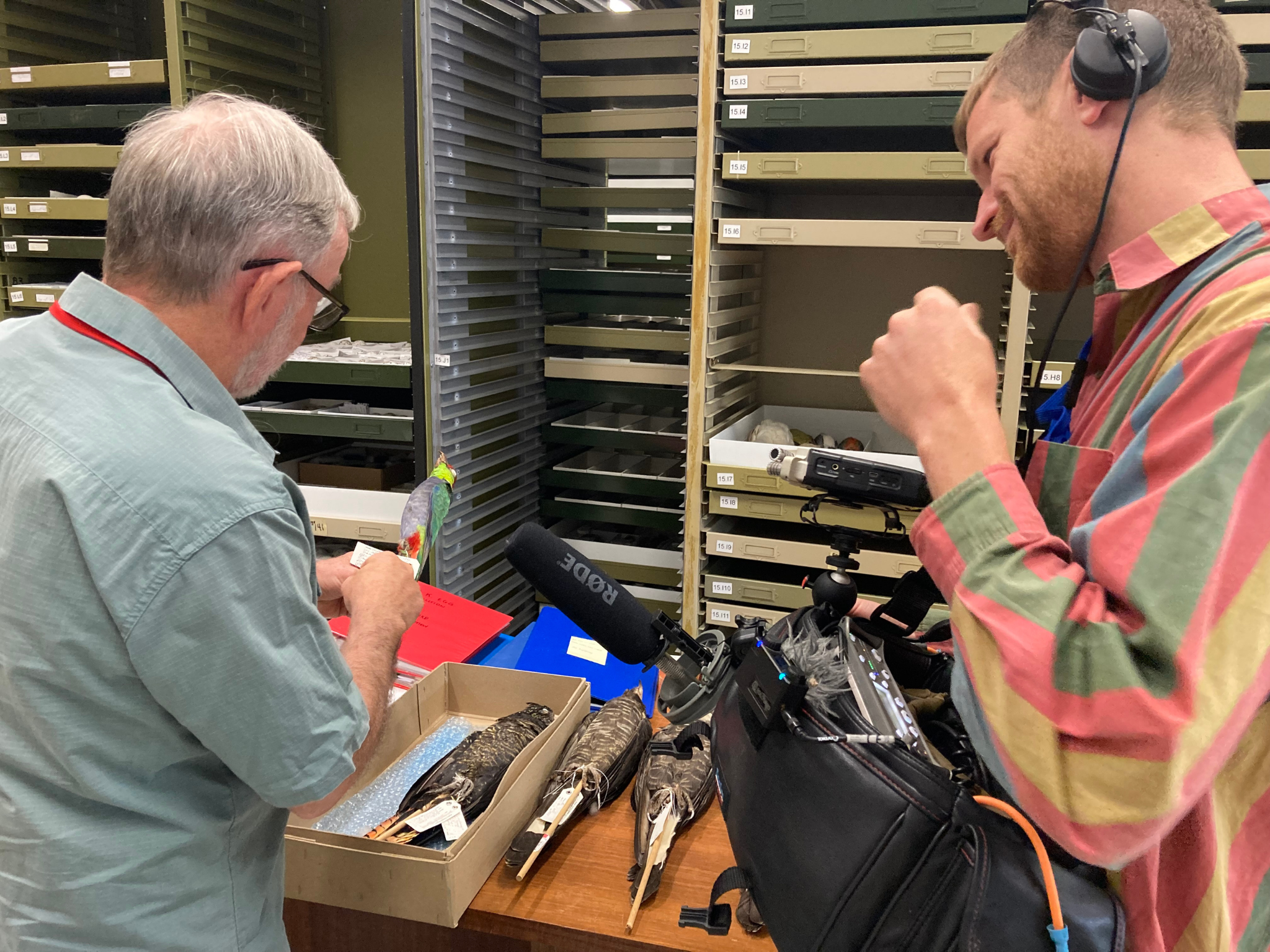
WA Museum podcast pilot and production series
This project transformed the WA Museum’s popular Tuesday Curatorial program into a global podcast series, bringing stories from the Museum of the Great Southern to audiences beyond the gallery. Through three engaging audio narratives, it celebrates regional heritage, strengthens connections to place and identity, and expands the Museum’s reach.
Impact Area: State-Wide Activities
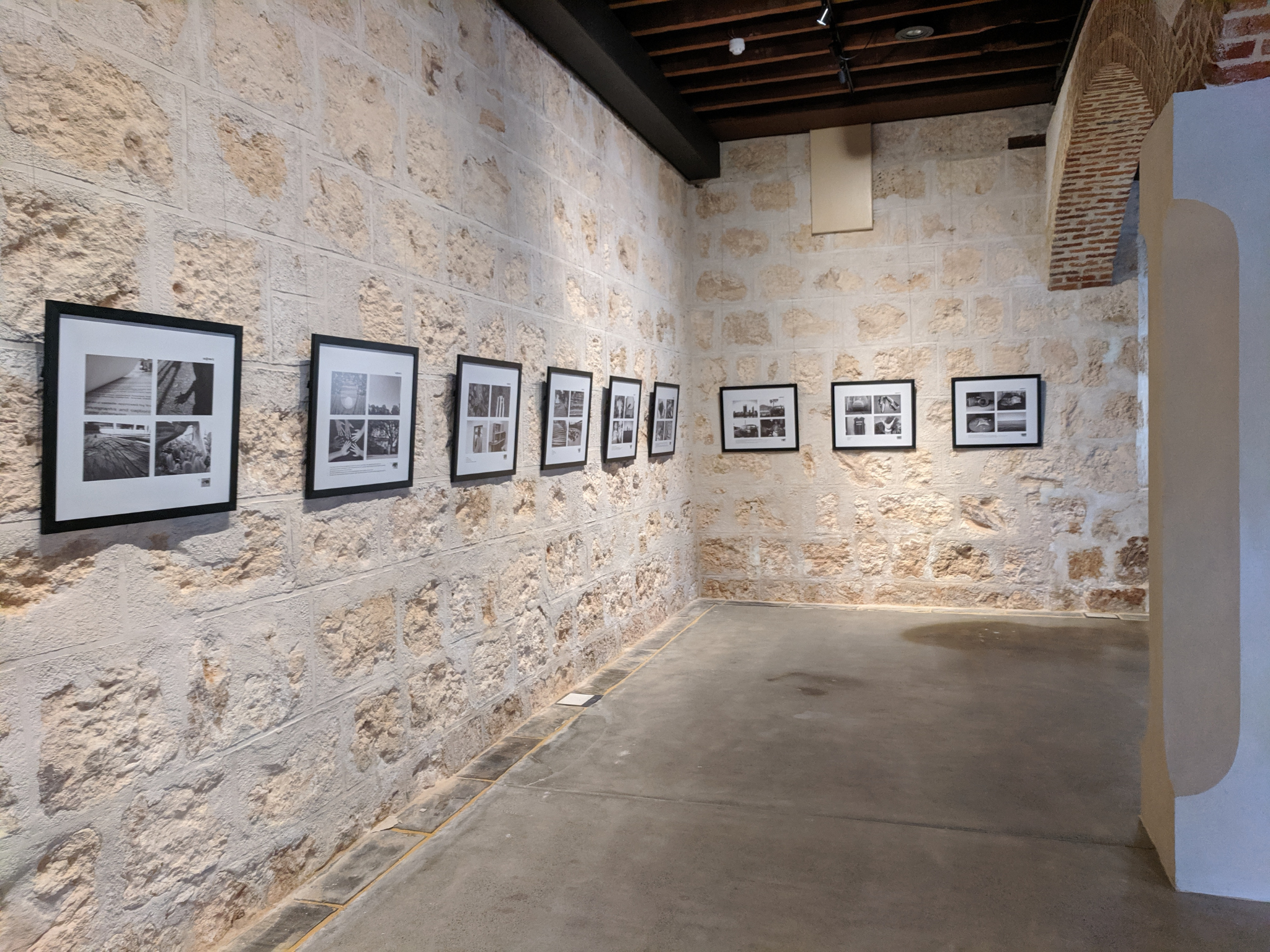
Small Community based exhibitions
This community exhibitions program empowered local communities to share their stories, experiences and heritage through diverse exhibitions across Fremantle Museum sites. Working with artists, cultural groups and young people, the program strengthened community connections, celebrated cultural diversity and created inclusive spaces for dialogue, belonging and cultural expression.
Impact Area: State-Wide Activities
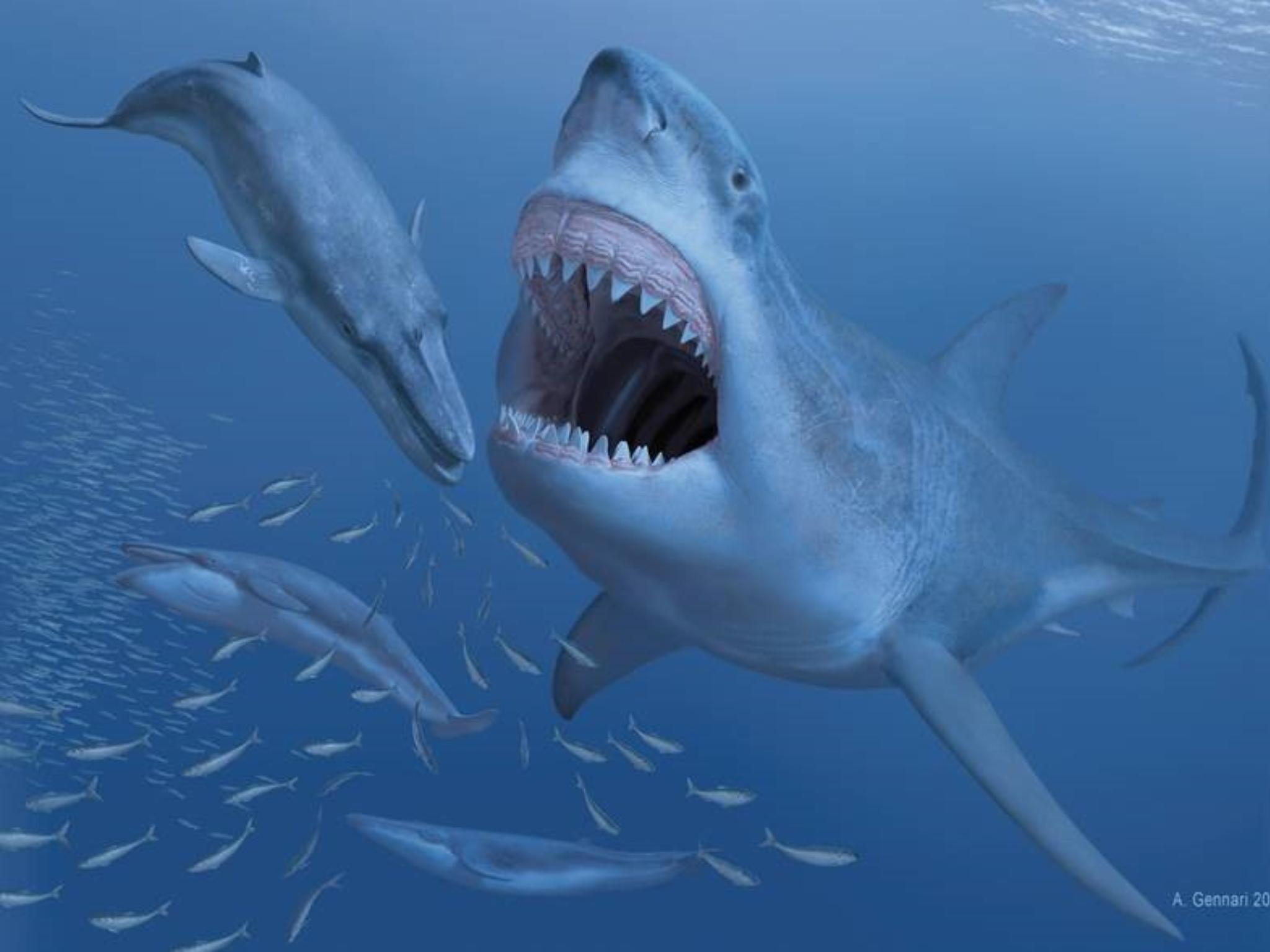
The extinct shark Carcharocles megalodon and its prgenitor Carcharocles chubutensis
This project advances research into Carcharocles megalodon, one of the largest predators to ever inhabit the oceans. Fieldwork in the Cape Range region uncovered 38 megalodon teeth, revealing new insights into these giant sharks and ancient marine ecosystems while enriching museum exhibitions and connecting communities with Western Australia’s remarkable fossil heritage.
Impact Area: Research & Fieldwork
2019
4 projects supported
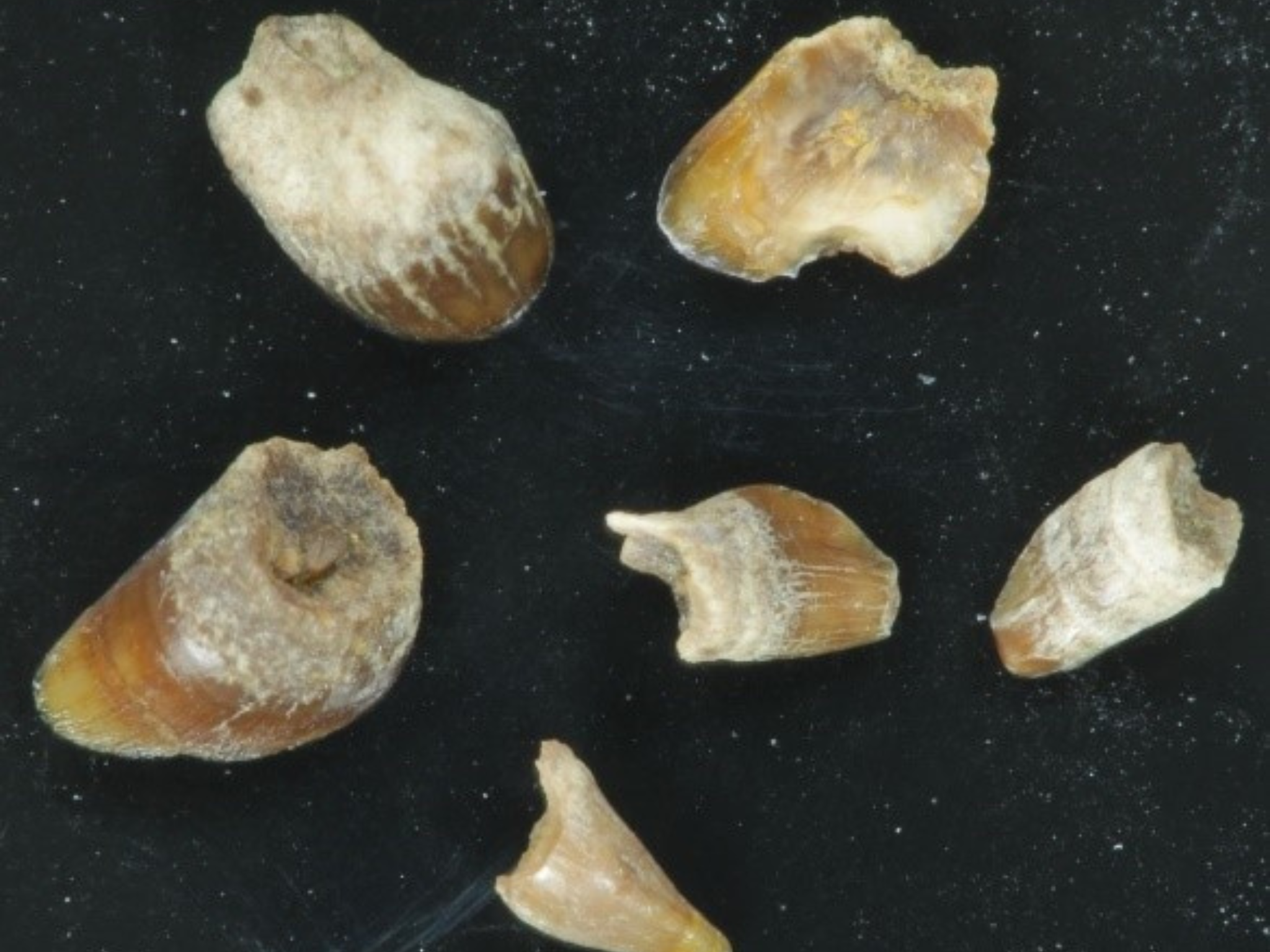
Mid-cretaceous vertebrates from the Pillawarra Plateau, lower Murchison River area
This project uncovers rare Cretaceous fossils near Kalbarri, including toothed birds, marine reptiles, sharks and rays. Combining scientific discovery with public engagement, the research may reveal new species, strengthen Western Australia’s reputation for palaeontology and bring the State’s ancient past to life through exhibitions and tourism.
Impact Area: Research & Fieldwork
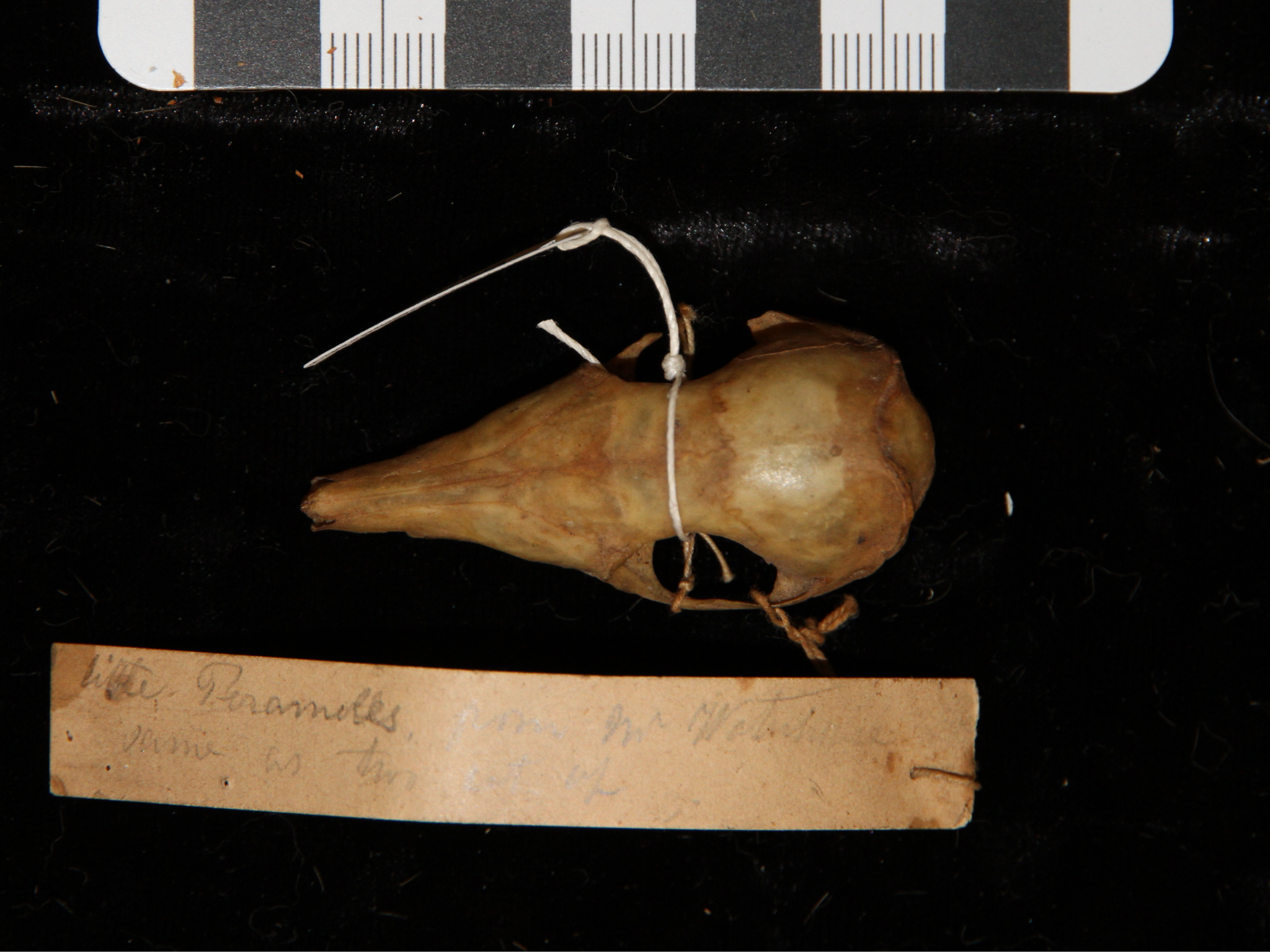
Next Generation Sequencing of historical iconic and type specimens
This project used cutting-edge genetic sequencing to unlock new insights from some of the WA Museum’s most challenging specimens, including an extinct bettong and a rare remipede. The research generated valuable genetic data, strengthened national collaborations, built staff expertise and opened new pathways for understanding Western Australia’s biodiversity.
Impact Area: Research & Fieldwork
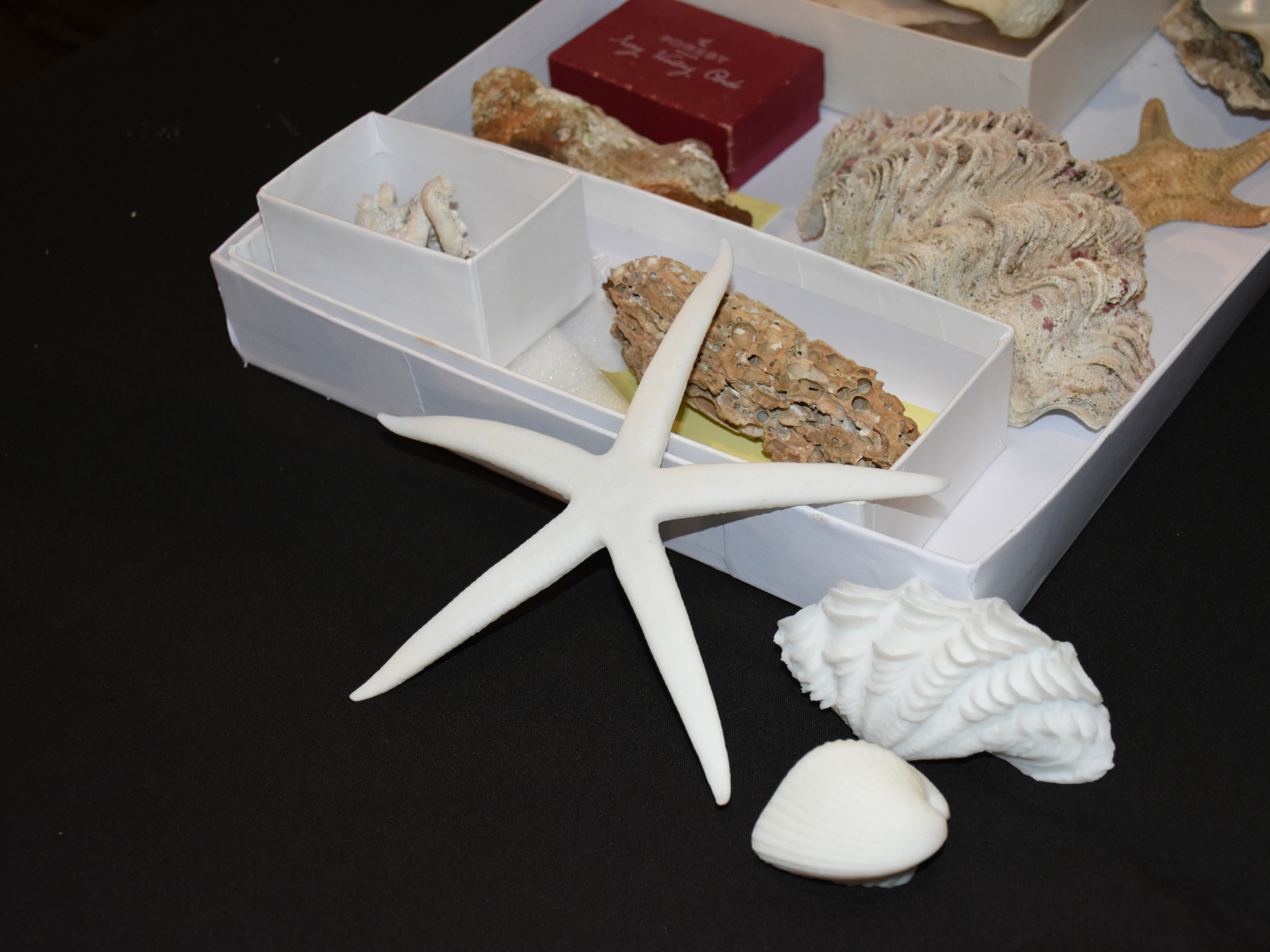
WA Museum 3D
This project used 3D scanning technology to make WA Museum collections more accessible, engaging and inclusive. Digitising significant objects for online sharing and tactile experiences, it expanded access for regional communities, researchers and visitors with vision impairment while building staff expertise and positioning the Museum alongside leading international institutions.
Impact Area: Lifelong Learning
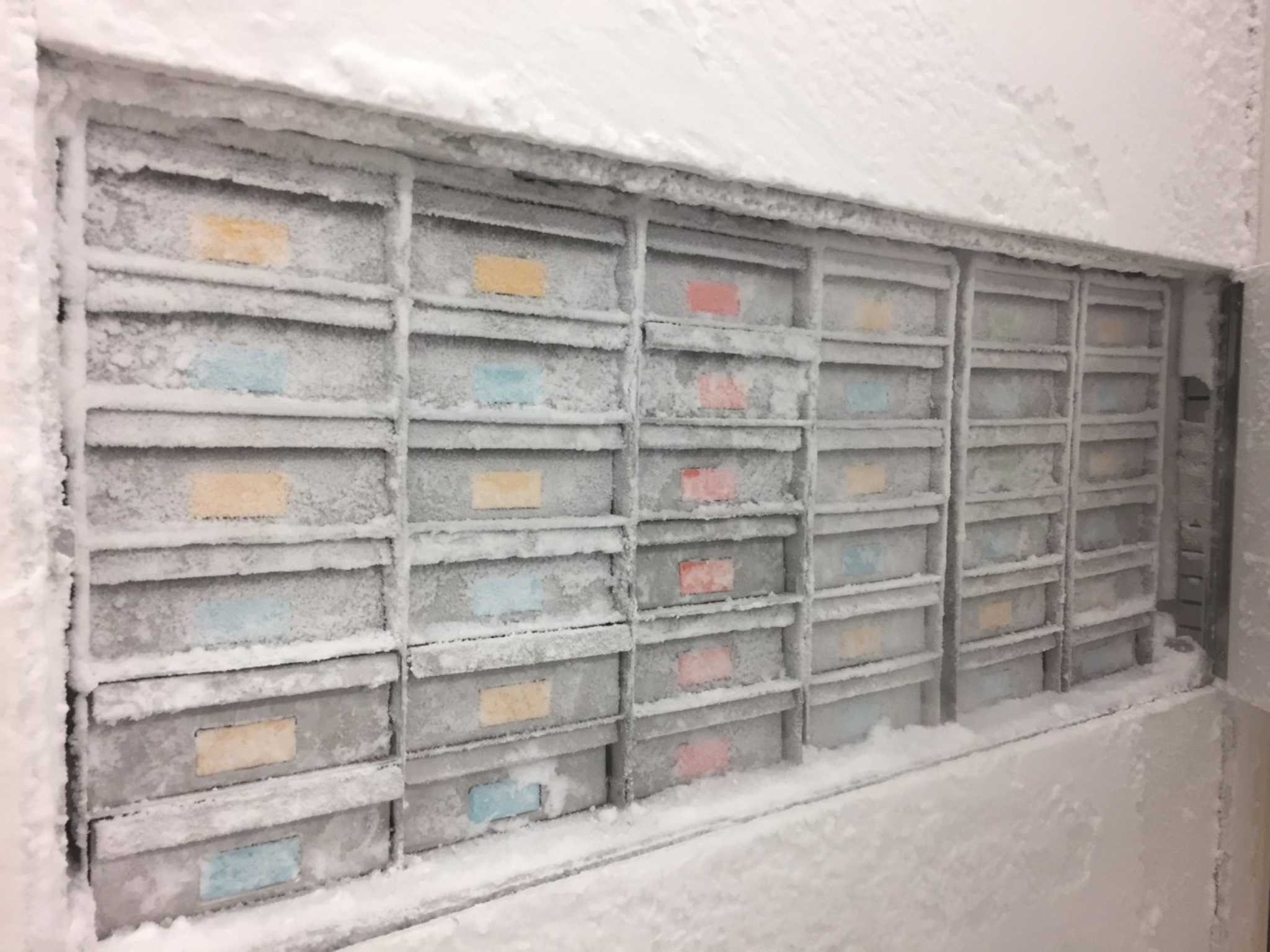
Preserving the Past - securing the future with WA Museum tissue collection
This project safeguarded one of Australia’s most significant ultrafrozen tissue collections, rehousing around 40,000 irreplaceable samples into a modern storage system. The initiative improves long-term preservation and accessibility, ensuring these unique genetic resources remain available for future research into biodiversity, conservation and evolution.
Impact Area: Collections & Acquisitions
If you would like to learn more about any of the grants featured here, please contact our Grants Team on grants@fwam.com.au. We’re happy to provide further information and help with any questions you may have.
When generosity meets curiosity, it creates a legacy that lives on through every discovery made, every story shared and every community reached, inspiring new possibilities for generations to come.