

Supercharging Pilbara biodiversity research
A landmark three‑year research partnership between Fortescue, the Western Australian Museum and the Foundation for the WA Museum is expanding understanding of Pilbara biodiversity.
Using cutting‑edge genomic tools alongside classical morphological taxonomy, the project is building the first modern baseline for ground‑dwelling insects across the Fortescue Marsh, Karijini National Park and surrounding Pilbara landscapes.
First Project field trip
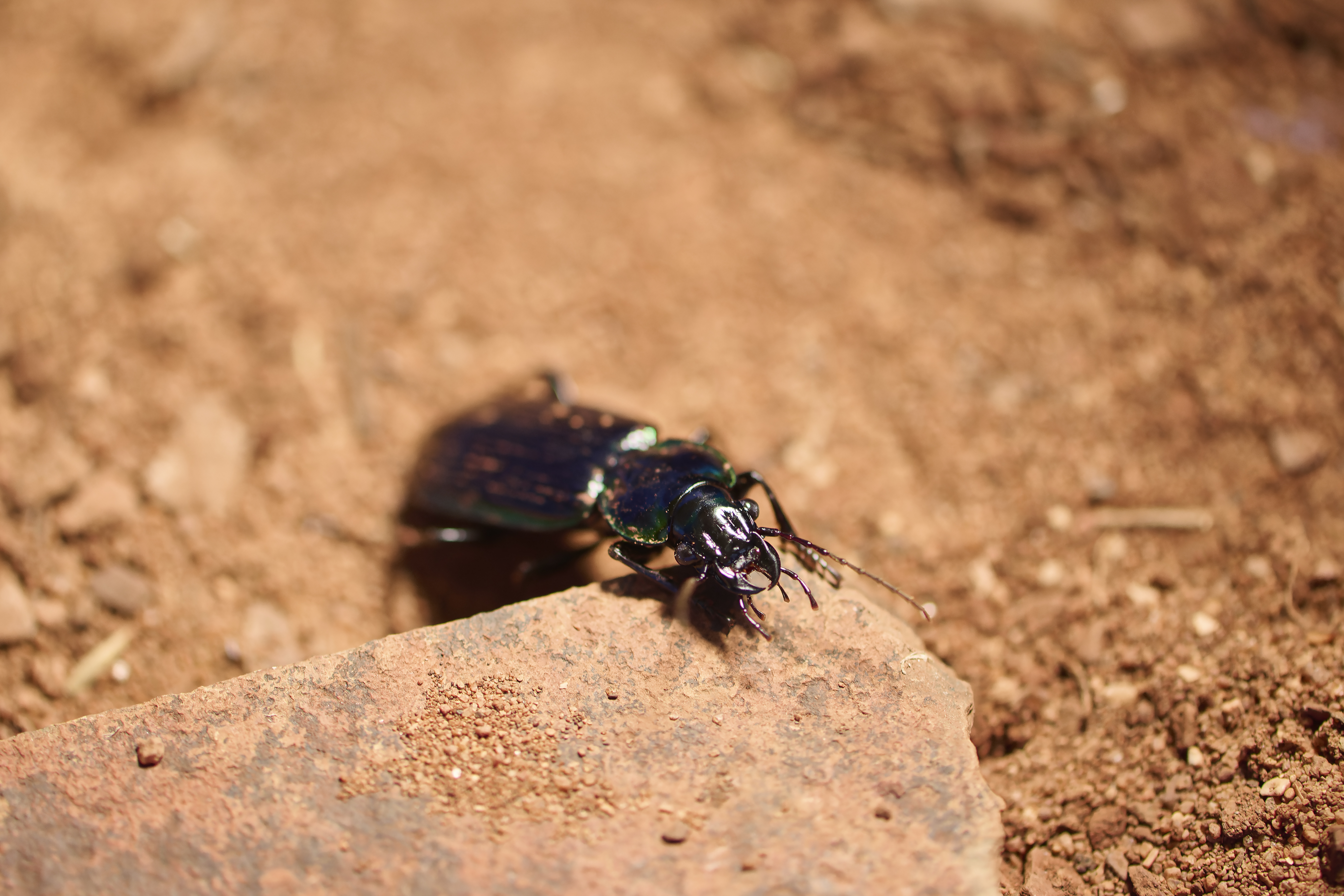
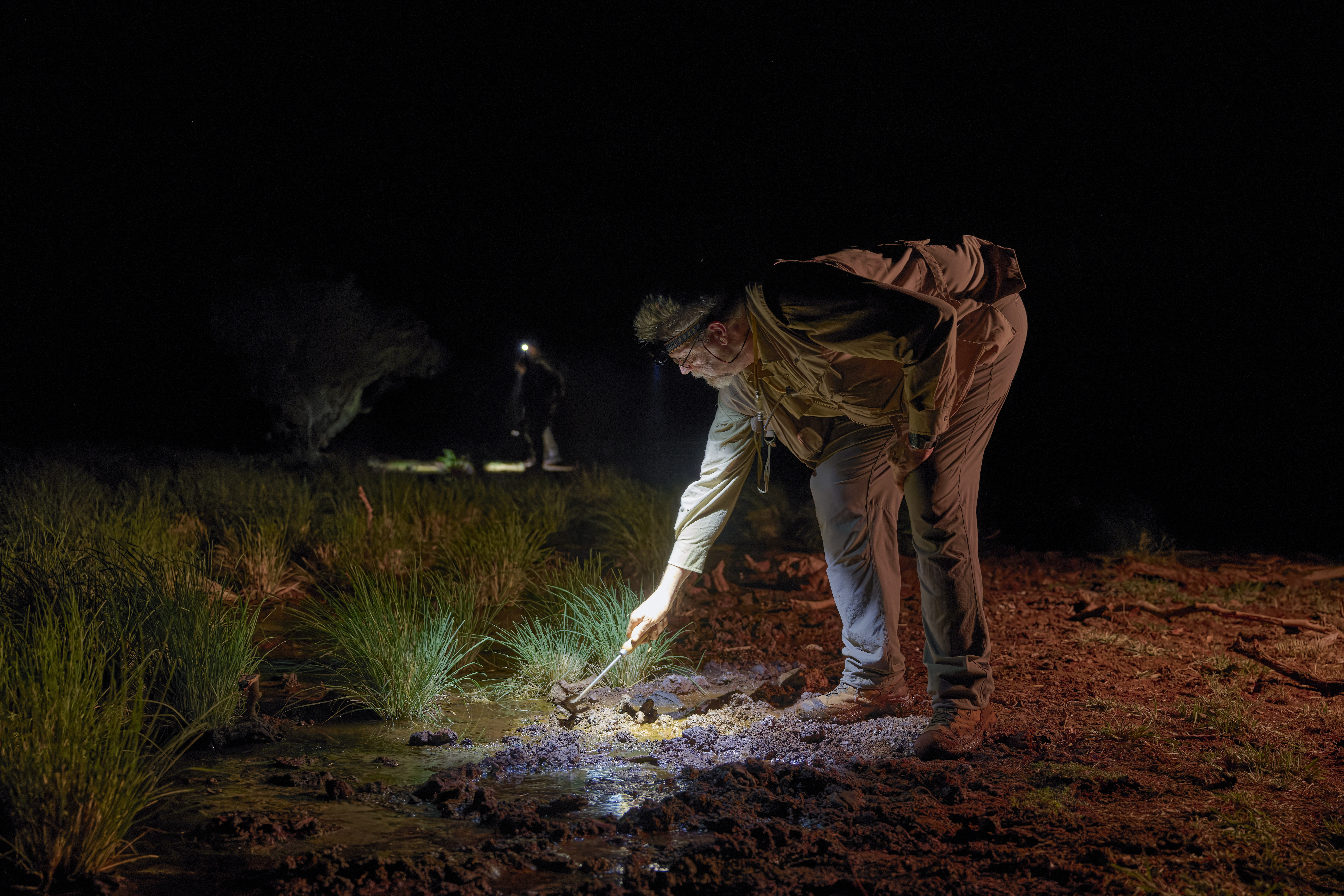
In March 2026 the team completed the first intensive field trip for the project at Karijini National Park and the Fortescue Marsh. Field teams, together with representatives of the traditional owners, traversed gorges, spinifex plains and marsh fringes, rediscovering suspected carabid hotspots and locating the project’s target ground beetles. Survey crews collected hundreds of fresh specimens which will provide viable DNA, needed for advanced next generation sequencing methodology.
What was achieved on the March trip
- Target carabid species located across multiple sites in and around Karijini and the Fortescue Marsh.
- Non-target insects were collected and shared with global experts to advance knowledge of the Pilbara's insect fauna.
- Hundreds of high‑quality specimens collected and preserved for DNA extraction, barcoding and population genomics.
- Habitat notes, photographic records and georeferenced sampling data gathered to link genetic results with landscape and environmental context.
- Fresh material now entering laboratory workflows at the WA Museum for sequencing and integrative analysis alongside historical specimens from earlier (2002–2007) Pilbara surveys.
Why this matters
- Increasing knowledge: Up to 75% of Australia’s biodiversity remains undescribed, and terrestrial invertebrates like carabid beetles are especially under‑studied and without a formal scientific name. This project starts to close that gap for the Pilbara.
- Indicators of ecosystem health: Ground beetles include many short‑range endemics sensitive to habitat and climate change. Mapping their distributions delivers powerful insights for conservation planning.
- Modern methods, lasting impact: Combining high‑throughput genomics with expert morphological study allows faster, more accurate identification of species and clearer understanding of evolutionary relationships.
- Building capacity: The partnership funds a PhD in beetle taxonomy through the WA Museum and the University of Western Australia, developing the next generation of Australian taxonomists.
Impact for land management and conservation
The new data will help inform land‑management decisions and support Fortescue’s Biodiversity Strategy by identifying species and populations of conservation concern, refining habitat‑condition assessments, and improving monitoring approaches for the Pilbara’s unique ecosystems. Project results will increase knowledge and help support evidence-based environmental management to achieve positive biodiversity outcomes across the region.
Partners and capacity building
The collaboration brings together Fortescue’s support and the WA Museum’s taxonomic and collections expertise. Training and doctoral research support through the University of Western Australia will increase national capacity in insect systematics and genomic taxonomy.
This partnership marks an exciting new chapter in understating WA’s biodiversity. The March fieldtrip has already provided the raw material to reveal hidden diversity, accelerate species discovery, and strengthen conservation efforts across one of Australia’s most spectacular and understudied regions.
